Erik Olson
Professor
Department of Marketing
Professor
Department of Marketing
Article Erik Lee Olson (2024)
Global resource use and emissions continue to rise despite the widespread adoption of more energy-efficient products and technologies. The current research addresses this green paradox by examining how the availability of rooftop solar panels and other energy-saving green features leads to rebound effects that inadvertently increase the popularity of physically larger and more resource-intensive homes. A conjoint analysis-based survey of US home buyers is utilized to determine the presence of income and moral licensing-based rebound effects, which together are predicted to increase buyer preference for larger homes. As expected, the findings show a shift in buyer preference towards larger homes due to significant income and moral licensing-based rebound effects created by the availability of energy-saving/guilt-reducing green features. The conjoint analysis results are then utilized in conjunction with home construction-sourced secondary data to estimate the economic and environmental implications of the larger home sizes. These estimates reveal that larger homes increase the financial attractiveness of green features for home builders and buyers, but at the cost of largely eliminating their environmental benefits. This suggests that efforts to achieve the widespread adoption of green features should focus on introducing them on physically larger products first when doing so makes the features more popular and profitable, because such popularity may create the potential for scale-based cost reductions that could lead to their wider adoption across all product sizes with consequent environmental benefits.
Article Erik Lee Olson (2022)
Advocacy bias is characterized by a preponderance of published articles that support an academic discipline’s favored causes and paradigms, and by the consequent relative absence of bias countering skeptical/falsifying publications. Such imbalance between paradigm/cause advocates and skeptics can be an indication of a research process that has been corrupted by a widely shared scholarly desire to generate supportive results. The current research makes an empirical contribution to the advocacy bias literature with a content analysis based framework that assesses the level of green marketing (GM) advocacy bias among 107 GM related articles from marketing’s Financial Times (FT) list journals and 9 GM related special issues (SI). Evidence of widespread GM advocacy bias is indicated by the almost complete lack of GM skeptical/falsifying articles. It is hoped that this first empirical examination of advocacy bias within the marketing discipline will inspire more discussion and research on the topic.
Article Espen Alexander Jütte, Erik Lee Olson (2022)
BHR is found useful in understanding pirating motivations, which vary greatly across time and across digital mediums. Piracy is often motivated by profit enhancing policies of big media copyright holders, which are deemed unfair and not customer oriented, but such motivations are greatly reduced when copyright holders offer attractive legal means to obtain digital content. Pirates generally do not feel sympathy for large media companies, but some pirates feel guilt that their actions may hurt digital content creators.
Article Erik Lee Olson (2022)
Global resource use and related emissions continue to rise despite decades of public and private sector marketing efforts to encourage more sustainable consumption. One question seldom addressed in the sustainability literature is the degree to which sustainable marketing mixes might paradoxically encourage higher levels of consumption by reducing purchase related guilt and costs. The current research examines fast fashion sustainability initiatives and finds evidence of moral self licensing and rebound effects that lead to higher predicted sales even among the most environmentally conscious consumers. Implications for sustainability researchers and practitioners are then discussed.
Article Erik Olson (2018)
Article Erik Olson (2017)
Sports sponsorship is big business, and a great deal of research provides evidence as to sponsorship’s efficacy in achieving a large range of communication goals, particularly for brands that are perceived as fitting well with the sport by the most involved fans. A developing body of literature, however, suggests that fan passion for a favorite team or athlete might work against the sponsors of hated rivals. The current research contributes to the rivalry effects topic by examining the impact of sponsor-sport fit, business rivalry, and league sponsoring on “home” team fan attitudes towards the sponsors of their team’s main rival. The study finds that negative rivalry effects are particularly severe when the rival team sponsor has high-perceived fit with the sport and is a direct business rival to a “home” team sponsor, but that league sponsorships largely mitigate these rivalry effects.
Article Erik Olson (2017)
Fully autonomous vehicles that take all the driving duties away from car passengers will soon be available from most of the world’s automakers and a variety of world famous technology brands such as Google and Apple. While a number of legal and technical issues need to be resolved before self-driving cars can be commercialised, they are predicted to offer a number of potential advantages in terms of passenger convenience, safety, and comfort, although there is also speculation that the technology may reduce the emotional bond that many consumers have for cars and car brands. This paper uses branding literature and theory to predict how self-driving technology may change the influence of brands on consumer vehicle choice, including the desire to own a car, and the potential opportunities and challenges this will present to automotive and non-automotive brand managers and researchers.
Article Erik Olson (2015)
Norway is the current per-capita leader in battery-electric vehicle (BEV) sales due in large part to generous government subsidies for BEV buyers. These subsidies are designed to support the government’s goal of electrifying 20% of Norway’s vehicle fleet to reduce national greenhouse gas emissions. Norway is not alone in its support of vehicle electrification, as many public policy makers around the world also use EV subsidies as a means of achieving emission reduction goals. Despite their widespread presence, however, very little analysis has examined the cost of the subsidies relative to the value of the consequent environmental and social benefits. This research uses a variety of scenarios to calculate the costs and benefits of Norwegian EV supports, and the general finding is that subsidy costs are much higher than the environmental benefits, resulting in negative ROIs. Implications of the Norwegian results for public policy makers in other countries are then discussed.
Article Erik Olson (2015)
The green innovation value-chain (GIVC) is a framework that compares the relative attractiveness of a green technology with conventional competitors(s) along stakeholder links representing the manufacturer, distributor, end-user, government, and the environment. Previous GIVC analyses have examined hybrid car and PV solar technologies, and conclude that each provides poor financial and environmental returns across the GIVC links in comparison with the most similar gasoline powered car and natural gas generated electricity respectively. The current research addresses the potential bias of using a single comparison point by including additional competing products/technologies that reflect actual marketplace or public policy advocated technology substitution. Although some of the new comparisons provide more encouraging green technology results than the earlier analyses, the overall conclusion remains that neither technology is likely to be attractive to stakeholders and widely displace the new comparison points. The market and public policy implications of the findings are then discussed.
Article Erik Olson, Harald Biong (2015)
More than three years after its highly publicized bankruptcy, Solyndra continues to resonate as an example of well-intentioned government policies gone wrong. This paper examines the Solyndra case using an institutional economics perspective to determine if the government’s relationship with the firm was optimal in achieving environmental and energy public policy goals while minimizing risk. The analysis reveals several government deviations from theory prescribed best practice, and illustrates opposing theoretical governance prescriptions for stimulating future technological innovation at the macro and micro levels.
Article Erik Olson (2014)
Governments around the world have employed a variety of generous subsidies to help promote and develop clean energy technologies in the hope that they will widely replace dirtier carbon-based power sources. Unfortunately these subsidies have not prevented numerous green technology bankruptcies including the infamous 2011 closure of the California based solar panel producer Solyndra, and these failures have cost taxpayers and private investors billions in lost capital. The green innovation value chain (GIVC) provides a possible framework for determining the diffusion prospects of green technologies through environmental and financial comparisons to conventional alternatives across the separate chain links comprised of manufacturers, distributors, customers, government, and the environment. The GIVC framework is used here to analyze the photovoltaic solar power chain, where financial deficits are found in each link that will need to be reduced or eliminated through technology advancements, subsidies, or changes in market conditions in order to provide the conditions necessary for the technology to achieve mass-market acceptance and positive financial returns.
Article Erik Olson (2014)
Article Erik Olson (2013)
Despite widespread pro-green attitudes, consumers frequently purchase non-green alternatives. One possible explanation for this value–action gap is the tradeoffs that green products often force on their users: higher prices, lower quality, and/or reduced performance. The current study uses conjoint analysis to uncover the attribute preferences of car and TV buyers when green attributes are negatively correlated with conventional attributes. These attribute preferences are then used to predict choice among sets of green and less green alternatives currently sold in the marketplace. Strong preferences for green products are found when tradeoffs are not apparent, but preference shifts significantly to less green compromise alternatives when the actual attribute tradeoffs are considered. Although general preference is reduced by tradeoffs, a green product offering some compensatory advantage on a conventional attribute does attract a broader spectrum of consumers, while only “dark green” consumers are willing to pay the price to go green when the product offers few compensatory qualities. In all cases, however, predicted buyers of the greenest technologies offset some of their environmental benefits by choosing more energy-thirsty specifications on negatively correlated conventional attributes. Managerial and public policy implications of the findings are then discussed
Article Erik Olson (2012)
In large part due to the expertise of the many manufacturer brands that are private label suppliers, the objective quality gap between private labels and leading manufacturer brands is small-to-none in many cases. The current research examines how consumer beliefs about the manufacturer brand origins of private labels may enhance their subjective appeal, by testing the effectiveness of two retailer-controlled tactics that create specification similarity and sourcing inferences regarding private labels, and the degree to which these inferences close perceptual gaps between private labels and targeted manufacture brands. Both the private label copycat packaging and invitation to compare to the manufacturer brand tactics are found to create such inferences and significantly narrow perceptual gaps, while enhancing retailer attitude.
Article Erik Olson (2012)
Article Erik Olson, Hans Mathias Thjømøe (2012)
Purpose To compare the relative performance of TV sponsorships with the industry standard 30-second TV spot advertising on achieving common communication goals. Design/Methodology/Approach The two mediums are tested with an experiment using realistic stimuli and target market representative samples and employing 6 brands as both TV sponsors and TV advertisers. Findings Ten seconds of TV sponsoring works almost equally as well as 30-second spots across all measures and brands. While the outright performance differs by type of brand (i.e. high fit versus lower fit, known versus unknown), the relative performance between mediums does not vary. Research Limitation The stimuli only gave subjects a brief exposure to each medium. The six stimuli brands, four effect measures, and the Norwegian sample may also not be representative for all types of TV sponsoring/advertising contexts. Practical Implications Marketing managers can use the results to better allocate their communication spending between TV spot advertising and TV sponsorships, by determining which medium offers better value in achieving communication goals. Value To our knowledge, the comparison is the most realistic and controlled experiment in this area, with high levels of internal and external validity.
Article Erik Olson (2012)
Purpose To empirically examine the brand impact of consumer knowledge regarding a common supplier and shared product specifications between manufacturer and private label brands. Design/Methodology/Approach The study uses three fast moving consumer goods in an experimental setting. Findings The study finds that knowledge about common sourcing and shared specification decreases perceptual gaps between private labels and manufacturer brands and improves attitudes towards the retailer. Research Limitation The study uses a student sample, although all product categories and brands tested are popular with this demographic, which is a key target market for the tested industries. Practical Implications Manufacturer brands that supply private labels need to make sure that this information does not reach consumers and/or ensure their own brand version remains superior to the private label. Retailers that use well-known manufacturer brands as suppliers of their high quality private labels might wish to share this information with customers as a means of improving attitudes towards the private label and retailer brands. Value This paper builds on earlier platform sharing research and shows the dangers and opportunities of sharing product specification across brands with differing reputations and prices.
Article Erik Olson, Hans M. Thjømøe (2011)
Article Erik Olson (2011)
Article Erik Olson, Hans M. Thjømøe (2011)
Article Erik Olson (2011)
Article Erik Olson, Hans Mathias Thjømøe (2010)
Article Erik Olson (2010)
Research Paper Purpose The development of a comprehensive model of high-level sponsorship effects that works well in both sports and cultural sponsorship contexts. Design/Methodology/Approach The sponsorship model is tested using survey data from target market representative samples in two professional sports contexts and two cultural contexts. Findings The model works almost equally well in both contexts. Furthermore, a more parsimonious mediated effects model provides virtually the same results as the full model. Improving attitude towards the sponsorship and object equity are found to be the most important factors for improving sponsor equity. The model also confirms earlier research on the importance of sponsor sincerity and sponsor-object fit in determining sponsorship effects. Research Limitation The explained variance of the sincerity and object equity constructs was not as high as for other constructs in the model. Practical Implications Sponsorship managers should pre-test potential objects and sponsorship communications to make sure that constructs in the model such as fit, sincerity, sponsorship attitudes, and object equity are maximized to provide optimal sponsor equity. Value The model combines constructs from various literatures into a comprehensive model of high-level sponsorship effects. Furthermore, while most previous sponsorship research have used convenience samples and/or fictional and/or single sponsorship contexts, the comprehensive model tested here is shown to have high external validity by its consistently good performance in predicting sponsorship effects using four real sponsorships and representative samples.
Article Erik Olson, Hans Mathias Thjømøe (2009)
Article Erik Olson (2009)
Article Erik Olson (2008)
Article Erik Olson, Hans Mathias Thjømøe (2003)
Article Erik Olson, Robert E Widing (2002)
Article Hans Mathias Thjømøe, Erik Olson, Peggy S. Brønn (2002)
Article Erik Olson, Geir Bakke (2001)
Article Peggy S. Brønn, Erik Olson (1999)
Article Erik Olson (1995)
Interview David Bradley, Erik Olson (2017)
Interview Ole Jonny Hansen Eriksrud, Erik Olson (2016)
Interview Erik Olson (2013)
Textbook Hans M. Thjømøe, Erik Olson (2011)
Conference lecture Erik Olson (2006)
Article Erik Olson, Geir Bakke (2004)
Conference lecture Erik Olson, Hans Mathias Thjømøe (2004)
Book Gary Olson, Erik Olson (2003)
Conference lecture Erik Olson, Carl Brønn (2001)
Textbook Hans Mathias Thjømøe, Erik Olson (2001)
Conference lecture Erik Olson, Robert E Widing (2000)
Conference lecture Erik L. Olson, Hans M. Thjømøe (1999)
Report Peggy Simic Brønn, Erik Olson (1998)
Conference lecture Erik Olson, Hans M. Thjømøe (1998)
Conference lecture Robert E Widing, Richard Speed, Erik Olson (1997)
Conference lecture Erik Olson, Hans M. Thjømøe (1997)
Conference lecture Robert E Widing, Erik Olson (1997)
Conference lecture Erik Olson, Frank DeWitt (1996)
Conference lecture Robert E Widing, Erik Olson, Wayne Talarzyk (1995)
Conference lecture Robert E Widing, Erik Olson, Wayne Talarzyk (1992)
Conference lecture Robert E Widing, Wayne Talarzyk, Erik Olson (1991)
Conference lecture Robert E Widing, Wayne Talarzyk, Erik Olson (1990)
| Year | Academic Department | Degree |
|---|---|---|
| 1992 | Case Western Reserve University | Ph.D. |
| 1986 | Indiana University | M.B.A. |
| 1983 | Augustana College | B.A. |
| Year | Employer | Job Title |
|---|---|---|
| 2009 - Present | BI Norwegian Business School | Professor |
| 1994 - 2009 | BI Norwegian Business School | Associate Professor |
| 2001 - 2001 | University of Southern Europe | Visiting Associate Professor |
| 1995 - 1996 | Melbourne Business School | Visiting Associate Professor |
| 1992 - 1994 | BI Norwegian Business School | Visiting Scholar/Associate Professor |
| 1988 - 1992 | Case Western Reserve University | Instructor/Research Assistant |

BI Business Review
The recent economic shutdown caused by the Covid-19 outbreak has created a totally new and unprecedented business risk: over-pessimism.
BI Business Review
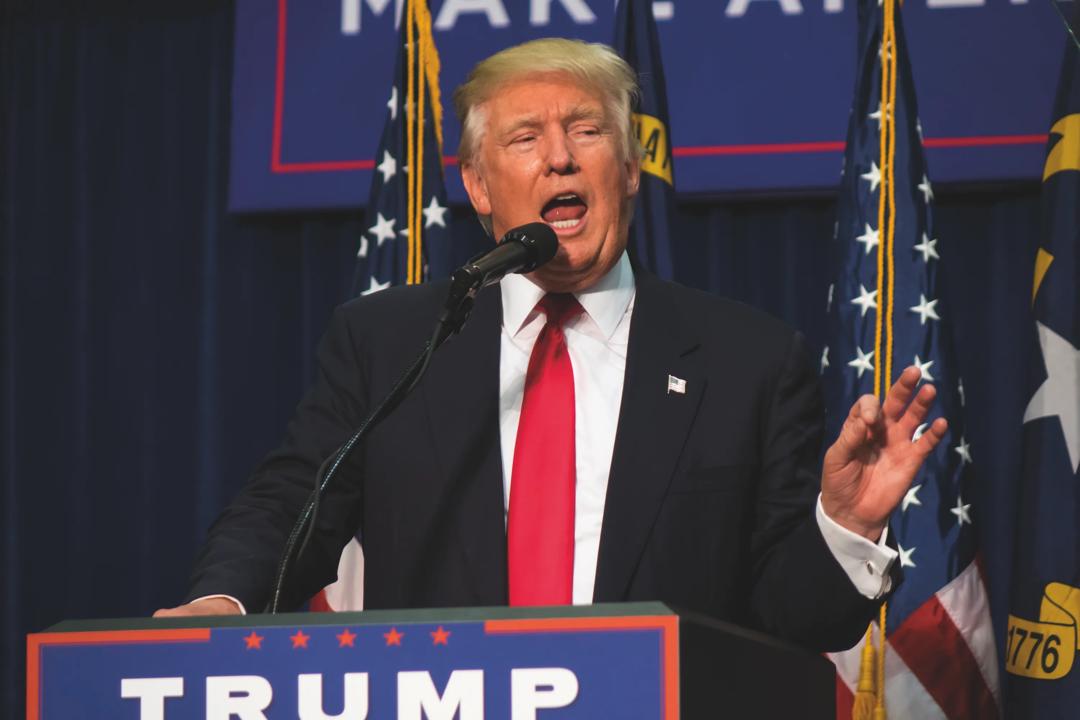
Research results can be biased when people are afraid to give honest answers. Scientists can also hope for “politically correct” results. Both types of bias were likely responsible for the failure to predict Trump’s victory.

BI Business Review
Self-driving cars could dampen the consumer love affair with cars and car brands. However, new technology may open new brand building opportunities.