Kari Jorunn Kværner
Adjunct Professor
Department of Strategy and Entrepreneurship
Adjunct Professor
Department of Strategy and Entrepreneurship
Article Nils-Otto Ørjasæter, Kari Jorunn Kvaerner, Linn Nathalie Støme (2025)
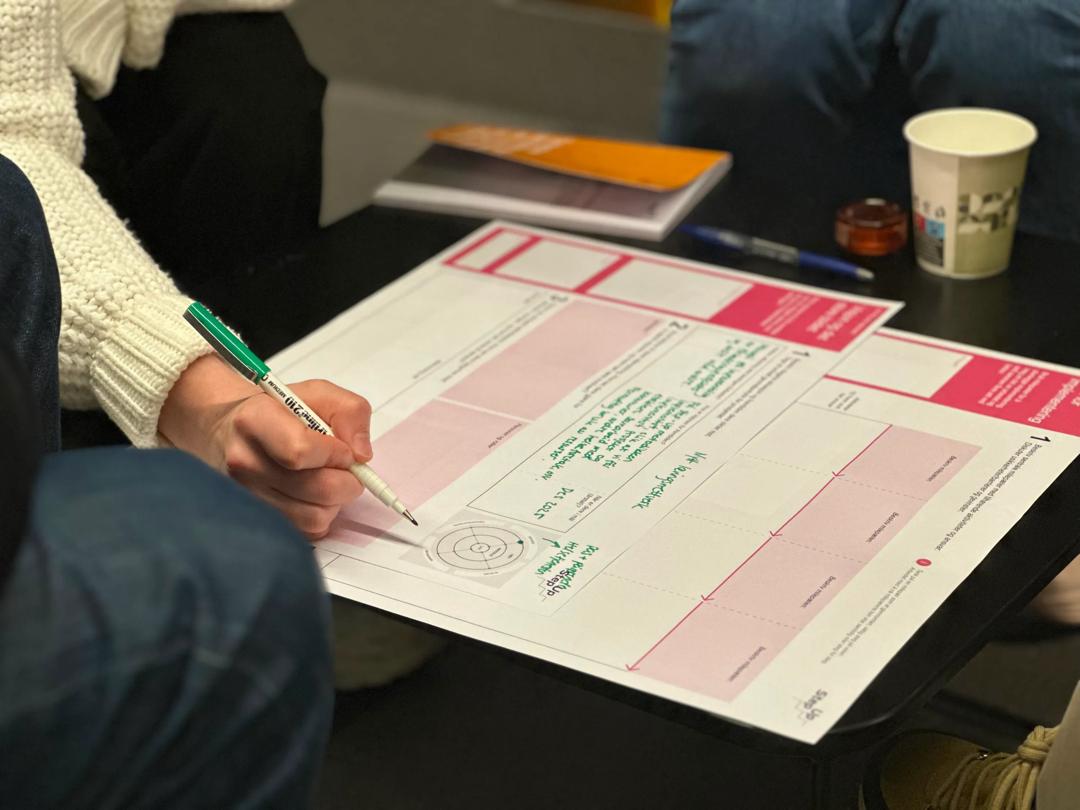
Abstract Background The demographic shift toward older populations is placing increasing pressure on health care systems, and only 20% of patients with chronic issues in the industrial world’s rural areas have guaranteed access to adequate health care services. This stresses the health care systems, emphasizing the need for innovative solutions. The Horizon 2020 Pre-Commercial Procurement (PCP) project, Crane, addresses these needs by facilitating the procurement of a digital self-management system for treating patients with chronic issues at home. Three rural European regions are participating in the project: Västerbotten (Sweden), Extremadura (Spain), and Agder (Norway). Objective This study aims to explore and identify key design criteria and value-based key performance indicators (VB-KPIs) to support the development and evaluation of digital health care solutions for patients with chronic issues in rural areas within the Crane PCP process. Methods A 3-iteration process was used to identify and prioritize the VB-KPIs in the Crane project. First, user needs were investigated based on stakeholder analyses in the participating rural regions. The early health technology assessment tool, Step Up, was used in 5 workshops (2 in Agder, 2 in Extremadura, and 1 in Västerbotten). Participants included patients and health care professionals. Second, post workshop, stakeholders were asked to comment on the summarized results, which were accordingly adjusted. Third, following the workshops, VB-KPIs were identified and prioritized, and discussions among representatives from the 3 buyer regions were conducted. Results Thirty-five VB-KPIs across 5 domains were identified. User-related (9 VB-KPIs), employee-related (9 key performance indicators), clinical (4 VB-KPIs), organizational (6 VB-KPIs), and economic (8 VB-KPIs) outcomes from the workshops and the subsequent discussions emphasized regional differences in terms of user needs and priorities. While Agder (Norway) and Västerbotten (Sweden) emphasized privacy, digital trust, and physical interaction as important, Extremadura (Spain) prioritized negotiation and shared decision-making. Despite differences, shared values were identified, including empowerment, flexibility, preventative care, and improved quality of life. Conclusions The identified and prioritized VB-KPIs are likely to provide a need-based foundation for the development and subsequent evaluation of the digital PCP, Crane, although regional socioeconomic and cultural differences may necessitate local adaptations.
Article Mari Skoge, Sofie Ragnhild Aminoff, Elizabeth Ann Barrett, Gina Engen Bryhni, Kristine Kling, Kari Jorunn Kvaerner, Ingrid Melle, Erlend Mork, Carmen Simonsen, Linn Nathalie Støme, ... (2025) Josina Vink, Tor Gunnar Værnes, Kristin Lie Romm (2025) Show all contributors
Abstract Background Strengthening shared decision-making in mental health care may improve the quality of services and treatment outcomes, but its implementation in services for severe mental disorders is currently lacking. Objective This study aims to explore the feasibility and acceptability of iTandem (University of Oslo), a mobile app designed to promote shared decision-making in the treatment of psychotic disorders. In addition, the study aims to investigate mechanisms that potentially contribute to the intended effect of the app. iTandem is a therapy supplement that facilitates patient involvement in decisions regarding treatment goals and focus areas. It is designed for personalized use and contains 8 optional modules: sleep, medication, recovery, mood, psychosis, activity, substance use, and feedback concerning therapy. Methods Patients undergoing assessment or treatment for psychotic disorders and their clinicians were recruited for the study. Patients and clinicians jointly used iTandem as part of standard treatment in a 6-week trial. We used a mixed-methods study design with a clear emphasis on qualitative methods. Feasibility and acceptability were assessed through descriptive statistics based on preintervention and postintervention questionnaires and app usage data, in addition to text responses to open-ended items. We conducted a reflexive thematic analysis of postintervention interviews to elaborate these measures and to explore mechanisms potentially contributing to achieving shared decision-making when using iTandem. Results A total of 9 patients and 8 clinicians completed the trial. The participants evaluated iTandem as a user-friendly and acceptable tool, but there were considerable variations in how the app was integrated into treatment and in perceptions of its clinical value. The thematic analysis suggests that iTandem has the potential to facilitate shared decision-making through supporting cognition and shifting the patient’s role. We also identified scaffolding structures, an analogy of personalized support, as a precondition for these mechanisms and for the overall feasibility and acceptability of iTandem. Conclusions iTandem was generally perceived as a feasible and acceptable tool in the treatment of patients with psychotic disorders. Our findings suggest that nonclinical aspects, such as support structures, are important to the feasibility and acceptability of such digital interventions and patients’ aptness for digitalized treatment in general. Future research should explore related nonclinical aspects further instead of defining potential target groups based on diagnoses and symptom severity alone.
Article Kristin Lie Romm, Mari Skoge, Elizabeth Ann Barrett, Lars-Christian Berentzen, Dagfinn Bergsager, Pål Fugeli, Thomas Bjella, Erlend Strand Gardsjord, Kristine Kling, Sindre Hembre Kruse, ... (2025) Kari Jorunn Kvaerner, Ingrid Melle, Erlend Mork, Henrik Myhre Ihler, Eline B. Rognli, Carmen Simonsen, Tor Gunnar Værnes, Sofie Ragnhild Aminoff (2025) Show all contributors
Conference abstract André Pekkola Pacheco, John Munkhaugen, Harald Hrubos-Strøm, Ole Klungsøyr, Kari Jorunn Kværner, Linn Nathalie Støme, Constantinos Papageorgiou, Toril Dammen (2024)
Article Marit Muri Holmen, Heidi Beate Eggesbø, Kari Jorunn Kvaerner, Linn Nathalie Støme (2023)
Article Tone Vaksvik, Linn Nathalie Støme, Jorunn Føllesdal, Kjersti Aabel Tvedte, Linn Melum, Christian R. Wilhelmsen, Kari Jorunn Kvaerner (2023)
Article Eline B. Rognli, Linn Nathalie Støme, Kari Jorunn Kvaerner, Christian Wilhelmsen, Espen Kristian Ajo Arnevik (2022)
Background: Unemployment rates for individuals in treatment for substance use disorder (SUD) are high, with Norwegian estimates in the range of 81%–89%. Although Individual Placement and Support (IPS) represents a promising method to improved vocational outcome, cross-disciplinary investigations are needed to document implementation benefits and address reimbursements needs. The aim of this study was to model the potential socioeconomic value of employment support integrated in SUD treatment. Methods: Based on scientific publications, an ongoing randomised controlled trial (RCT) on employment support integrated in SUD treatment, and publicly available economy data, we made qualified assumptions about costs and socioeconomic gain for the different interventions targeting employment for patients with SUD: (1) treatment as usual (TAU); (2) TAU and a self-help guide and a workshop; and (3) TAU and IPS. For each intervention, we simulated three different outcome scenarios based on 100 patients. Results: Assuming a 40% employment rate and full-time employment (100%) for 10 years following IPS, we found a 10-year socioeconomic effect of €18,732,146. The corresponding effect for the more conservative TAU + IPS simulation assuming 40% part-time positions (25%) for five years, was €2,519,906. Compared to the two alternative interventions, IPS was cost-effective and more beneficial after six months to two years. Discussion: This concept evaluation study suggests that integrating employment support in the health services is socioeconomically beneficial. Our finding is relevant for decision makers within politics and health. Once employment rates from our ongoing RCT is available, real-life data will be applied to adjust model assumptions and socioeconomic value assumptions.
Review article Linn Nathalie Støme, Christian R. Wilhelmsen, Kari Jorunn Kvaerner (2021)
Article Arne Kirkhorn Rødvik, Marte Myhrum, Evelina Lisa Algi Larsson, Eva-Signe Falkenberg, Kari Jorunn Kværner (2021)
Objective This study aimed to explore the short- and long-term effects of a second cochlear implant (CI-2) on the reduction of tinnitus annoyance and tinnitus handicap. Design In a combined retrospective and prospective cohort study, tinnitus annoyance was measured before receiving the CI-2 (Pre), more than two years after (Post1) and more than seven years after (Post2), using the Tinnitus Handicap Inventory (THI), the Visual Analog Scale for the assessment of perceived tinnitus loudness (VAS-L) and annoyance (VAS-A), and a self-report questionnaire. Study sample Twenty sequentially bilaterally implanted adults with bothersome tinnitus. Results CI-2 implantation resulted in a statistically significant reduction of tinnitus handicap from severe at Pre to mild at Post1 (THI mean score reduced from 61.3 [SD = 19.4] to 29.3 [SD = 23.5]). The reduction in tinnitus annoyance was statistically significant from Pre to Post 2 (VAS-A reduced from 7.1 [SD = 1.5] to 3.4 [SD = 2.2]). The reduction in tinnitus loudness was not statistically significant. Conclusions The provision of a CI-2 for severely and profoundly hearing-impaired individuals with bothersome tinnitus is an effective method of providing long-term tinnitus relief.
Article Linn Nathalie Støme, Tron Anders Moger, Kristian Kidholm, Kari Jorunn Kvaerner (2020)
Article Kari Jorunn Kværner, Linn Nathalie Støme, Jonathan Romm, Karianne Rygh, Frida Almqvist, Sveinung Tornås, Marianne Støren Berg (2020)
Objective To describe unmet needs and values in stroke rehabilitation using the Health Value Framework and the associated coassessment tool Health Value Spider, a framework designed to identify and prioritise unmet needs based on health technology assessment (HTA). Setting The study took place at Oslo University Hospital, Norway, from February to April 2019. Participants in three consecutive workshops were recruited from Sunnaas Rehabilitation Hospital, Oslo Municipality, Hospital Procurement Trust and Oslo University Hospital. Twenty-four hospital workers (medical and allied health staff and administrative staff) participated in workshop 1 and 29 patients, user representatives and hospital workers in workshop 2. Twenty-one patients and hospital workers participated in workshop 3. Interventions Stakeholder analysis and scenario building was performed in a coassessment setting where unmet needs were identified applying the Health Value Framework. Two of the authors are also the developers of the Health Value Framework (KJK and LNS). Results In the two first workshops where health workers, patients and next of kin perspectives were elicited, three needs were identified: patient insecurity in patient journey transitions, lack of stroke rehabilitation expertise in primary care and invisible patient problems, such as fatigue and cognitive impairment. In workshop 3, 12 opportunity areas were identified. Four opportunity areas were selected by the stakeholders based on a prioritisation process: early discovery of cognitive impairment, rehabilitation continuity, empowered patients and next of kin and remote monitoring and digital touchpoints. Conclusion Health Value Spider successfully identified and prioritised unmet needs and described associated values.
Review article Marcia Tummers, Kari Jorunn Kvaerner, Laura Sampietro-Colom, Markus Siebert, Murray Krahn, Øyvind Melien, Dominique Hamerlijnck, Payam Abrishami, Janneke Grutters (2020)
Early health technology assessment (HTA), which includes all methods used to inform industry and other stakeholders about the potential value of new medical products in development, including methods to quantify and manage uncertainty, has seen many applications in recent years. However, it is still unclear how such early value assessments can be integrated into the technology innovation process. This commentary contributes to the discussion on the purposes early HTA can serve. Similarities and differences in the perspectives of five stakeholders (i.e., the hospital, the patient, the assessor, the medical device industry, and the policy maker) on the purpose, value, and potential challenges of early HTA are described. All five stakeholders agreed that integrating early HTA in the innovation process has the possibility to shape and refine an innovation, and inform research and development decisions. The early assessment, using a variety of methodologies, can provide insights that are relevant for all stakeholders but several challenges, for example, feasibility and responsibility, need to be addressed before early HTA can become standard practice. For early evaluations to be successful, all relevant stakeholders including patients need to be involved. Also, nimble, flexible assessment methods are needed that fit the dynamics of medical technology. Best practices should be shared to optimize both the innovation process and the methods to perform an early value assessment.
Article Linn Nathalie Støme, Tron Anders Moger, Kristian Kidholm, Kari Jorunn Kvaerner (2019)
Chapter Thomas Hoholm, Fred H. Strønen, Kari Jorunn Kvaerner, Linn Nathalie Støme (2018)
In Chapter 13, Hoholm et al. discuss controversies in the healthcare sector by studying the nature of innovation projects at the Clinic of Innovation at Oslo University Hospital and its efforts to improve organizational ambidexterity in the area of service innovation. This includes more room for exploration, and improving their capacity to translate and exploit service innovations in use. Using the notions of ‘exploration’ and ‘exploitation’ (March, Organization Science 2:71–87,1991) the authors show how successful innovation requires two different organizational capacities and discuss how a complex knowledge organization like a hospital may increase its ability to handle both, often referred to as ‘organizational ambidexterity’ (Junni et al., The Academy of Management Perspectives 27:299–312, 2013). The authors propose three conditions for driving ambidexterity: organizational responsibilities and roles, provisional evaluation methods, and systematic cross-case learning.
Article Guro Haugen Fossum, Svein Gjelstad, Kari Jorunn Kvaerner, Morten Lindbæk (2018)
Background Most oral antibiotics are prescribed by GPs, and they are therefore the most important influencers with regard to improving antibiotic prescription patterns. Although GPs’ prescription patterns in general are well-studied, little is known about antibiotic prescription patterns in pregnancy. Aim To study GPs’ antibiotic prescriptions in respiratory tract infections (RTIs) during pregnancy, and assess differences, if any, between pregnant and non-pregnant patients. Design & setting Retrospective observational study combining prescription data from the Norwegian Peer Academic Detailing (Rx-PAD) study database, pregnancy data from the Norwegian birth registry, and pharmacy dispension data from the Norwegian Prescription Database (NorPD). Method Records of patient contacts with 458 GPs, between December 2004 and February 2007, were screened for RTI episodes. Similar diagnoses were grouped together, as were similar antibiotics. Episodes were categorised according to whether the patient was pregnant or not, and included women aged 16–46 years. Logistic regression models were used to assess odds ratios (ORs), and calculated relative risks (cRRs) were produced. The authors also adjusted for clustering at various levels. Results Overall prescription rate for RTI episodes was 30.8% (n = 96 830). The cohort was reduced to include only episodes with women pregnant in the study period (n = 18 890). The antibiotic prescription rate in pregnancy was 25.9% versus 34.2% in the time before and after pregnancy (cRR = 0.66 [95% confidence intervals {CI} = 0.68 to 0.81]). During pregnancy, 83.0% of the antibiotic prescriptions were picked up at a pharmacy, compared to an 86.6% filling rate in non-pregnant patients. The difference was not significant when adjusting for clustering at the patient level. Conclusion Norwegian GPs prescribe fewer antibiotics overall when patients are pregnant and, when they do prescribe, choose more narrow spectrum antibiotics for RTIs. This indicates a possible lower target rate for GP prescriptions to females. A low antibiotic dispension rate during pregnancy may represent a discussion topic in the consultation setting, to address possible reasons and avoid under-treatment.
Review article Pernille Lunde, Birgitta Blakstad Nilsson, Astrid Bergland, Kari Jorunn Kvaerner, Asta Bye (2018)
Background: Noncommunicable diseases (NCDs) account for 70% of all deaths in a year globally. The four main NCDs are cardiovascular diseases, cancers, chronic pulmonary diseases, and diabetes mellitus. Fifty percent of persons with NCD do not adhere to prescribed treatment; in fact, adherence to lifestyle interventions is especially considered as a major challenge. Smartphone apps permit structured monitoring of health parameters, as well as the opportunity to receive feedback. Objective: The aim of this study was to review and assess the effectiveness of app-based interventions, lasting at least 3 months, to promote lifestyle changes in patients with NCDs. Methods: In February 2017, a literature search in five databases (EMBASE, MEDLINE, CINAHL, Academic Research Premier, and Cochrane Reviews and Trials) was conducted. Inclusion criteria was quantitative study designs including randomized and nonrandomized controlled trials that included patients aged 18 years and older diagnosed with any of the four main NCDs. Lifestyle outcomes were physical activity, physical fitness, modification of dietary habits, and quality of life. All included studies were assessed for risk of bias using the Cochrane Collaboration`s risk of bias tool. Meta-analyses were conducted for one of the outcomes (glycated hemoglobin, HbA1c) by using the estimate of effect of mean post treatment with SD or CI. Heterogeneity was tested using the I2 test. All studies included in the meta-analyses were graded. Results: Of the 1588 records examined, 9 met the predefined criteria. Seven studies included diabetes patients only, one study included heart patients only, and another study included both diabetes and heart patients. Statistical significant effect was shown in HbA1c in 5 of 8 studies, as well in body weight in one of 5 studies and in waist circumference in one of 3 studies evaluating these outcomes. Seven of the included studies were included in the meta-analyses and demonstrated significantly overall effect on HbA1c on a short term (3-6 months; P=.02) with low heterogeneity (I2=41%). In the long term (10-12 months), the overall effect on HbA1c was statistical significant (P=.009) and without heterogeneity (I2=0%). The quality of evidence according to Grading of Recommendations Assessment, Development and Evaluation was low for short term and moderate for long term.
Article Guro Haugen Fossum, Morten Lindbæk, Svein Gjelstad, Kari Jorunn Kvaerner (2018)
Antibiotics are the most frequent prescription drugs used by pregnant women. Our objective was to investigate if the dispensation of antibiotics and antiasthmatics in children less than 1 year of age is associated with prenatal antibiotic exposure. A secondary aim was to explore the incidence of dispensed antibiotics in pregnancy and dispensed antibiotics and antiasthmatics in children. We conducted an observational study using the Peer Academic Detailing study database to select patients eligible for match in the Medical Birth Registry of Norway, a total of 7747 mother-and-child pairs. Details on antibiotic and antiasthmatic pharmacy dispensations were obtained from the Norwegian Prescription Database. One quarter (1948 of 7747) of the mothers in the study had been dispensed antibiotics during pregnancy. In their first year of life, 17% (1289) of the children had had an antibiotic dispensation, 23% (1747) an antiasthmatic dispensation, and 8% (619) of the children had had both. We found a significant association between dispensed antibiotics in pregnancy and dispensed antibiotics to the child during their first year of life; OR = 1.16 (95% CI: 1.002–1.351). The association was stronger when the mothers were dispensed antibiotics at all, independent of the pregnancy period; OR = 1.60 (95% CI: 1.32–1.94). We conclude that the probability for dispensation of antibiotics was increased in children when mothers were dispensed antibiotics, independent of pregnancy. Diagnostic challenges in the very young and parental doctor-seeking behavior may, at least in part, contribute to the association between dispensations in mothers and children below the age of one year.
Article Jorunn Solheim, Caryl Gay, Anners Lerdal, Louise Hickson, Kari Jorunn Kvaerner (2018)
Review article Linn Nathalie Støme, Are Hugo Pripp, Jens Sørlie Kværner, Kari Jorunn Kvaerner (2018)
AbstrACt Objective The dynamic and interactive mobile application Vett was designed to help change behaviour and is based on cognitive, motivational and visual techniques. Our aim is to investigate the acceptability, usability and utility of Vett as a personalised application for goal achievement. setting The trial took place at the rheumatology clinic at Diakonhjemmet Hospital, Oslo, Norway from January to June 2015. Participants Twelve participants with osteoarthritis were recruited from a 3.5-hour multidisciplinary group-based educational programme (osteoarthritis school). Interventions With the help of a physician, each participant followed a customised 12-week mixed-mode goal achievement plan with digital support based on preset goals, self-monitoring and individual feedback. Acceptability was measured as the perceived degree of goal achievement using a validated habit questionnaire scaled from 0 to 100. Utility and usability were assessed via 10 weekly questions and adherence by fulfilment of predetermined tasks. results Mean goal achievement was 73 (95% CI 68 to 78), an increase of 22 (95% Cl 17 to 26, p<0.01), which equals 48% improvement (95% CI 32% to 59%). Mean user satisfaction was 81 (95% CI 76 to 85), and technical usability was 80 (95% CI 75 to 84), which both increased during the study period. Conclusion The high levels of acceptability, usability and utility support the feasibility of the pers
Article Kari Jorunn Kvaerner, Linn Nathalie Støme (2018)
Article Fred H. Strønen, Thomas Hoholm, Kari Jorunn Kvaerner, Linn Nathalie Støme (2017)
In this explorative study, we investigate the relationship between dynamic capabilities and innovation capabilities. Dynamic capabilities are at the core of strategic management in terms of how firms can ensure adaptation to changing environments over time. Our paper follows two paths of argumentation. First, we review and discuss some major contributions to the theories on ordinary capabilities, dynamic capabilities, and innovation capabilities. We seek to identify different understandings of the concepts in question, in order to clarify the distinctions and relationships between dynamic capabilities and innovation capabilities. Second, we present a case study of the ’Innovation Clinic’ at a major university hospital, including four innovation projects. We use this case study to explore and discuss how dynamic capabilities can be extended, as well as to what extent innovation capabilities can be said to be dynamic. In our conclusion, we discuss the conditions for nurturing ‘dynamic innovation capabilities’ in organizations.
Article Knut Stavem, Håvard Kristiansen, Espen Saxhaug Kristoffersen, Kari Jorunn Kvaerner, Michael Bjørn Russell (2017)
Background: Some previous studies have postulated an association between migraine and excessive daytime sleepiness (EDS). This study evaluated the association of EDS with migraine and headache frequency in a general population, after adjusting for potential confounding variables. Methods: The study was a postal survey of a random age and gender-stratified sample of 40,000 persons aged 20 to 80 years old drawn by the National Population Register in Norway. The questionnaire included questions about migraine, headache, the Epworth sleepiness scale (ESS) and various comorbidities. EDS was defined as ESS > 10. The association of EDS and migraine/headache were analysed by bivariate and multivariable logistic regression analyses. Results: A total of 21,177 persons responded to the ESS and were included in the analyses. The odds ratio (OR) for EDS was increased for migraineurs (1.42 (95% CI 1.31─1.54), p < 0.001) compared to non-migraineurs; however, this finding was not significant after adjustment for a number of possible confounders. EDS increased with increasing headache frequency, with an OR of 2.74 (95% CI 2.05─3.65), p < 0.001) for those with headache on >179 days per year compared to those without headache in multivariable analysis. Conclusions: In a general population, the odds for EDS increased significantly with the headache frequency, irrespective of migraine status. EDS was not associated with reported migraine in multivariable analysis.
Review article Preben Homøe, Kari Jorunn Kvaerner, Janet R. Casey, Roger A.M.J. Damoiseaux, Thijs M.A. van Dongen, Hasantha Gunasekera, Ramon G. Jensen, Ellen Kvestad, Peter S. Morris, Heather M. Weinreich (2017)
Article Tone Kristin Bergersen, Elisabeth Storheim, Stina Gundersen, Linn Kleven, Maria Johnson, Leiv Sandvik, Kari Jorunn Kvaerner, Nils-Otto Ørjasæter (2016)
Article Jorunn Solheim, Olga Shiryaeva, Kari Jorunn Kvaerner (2016)
Background: Rising life expectancy means an increase in the number of elderly people with hearing loss in the population. Many elderly people live in nursing homes, with varying care needs. A substantial proportion of these people will need help with their hearing aids and other hearing devices. Objective: The objective of the study has been to assess the knowledge, experience, skills, competence, and need for information of staff at nursing homes in relation to residents’ hearing loss and hearing aids. Materials and methods: One hundred and ninety-five employees at seven nursing homes participated in the study. The main approach was a descriptive study, using questionnaires. Results: The main findings are that 73% of informants found that many residents need help with their hearing aids. Only one-tenth report that they know enough about the residents’ hearing aids. Almost four out of five informants find that the residents become socially isolated as a result of hearing loss. Seventy-eight percent agree to some extent that more residents would benefit from hearing aids. Conclusion: Staff at nursing homes have insufficient knowledge about hearing loss and hearing aids. Increased focus on the elderly with hearing impairment in nursing homes is needed. Contact between nursing homes and audiological specialists should be improved to best follow-up hearing loss and hearing aids.
Article Marit Erna Austeng, Britt Øverland, Kari Jorunn Kvaerner, Els-Marie Andersson, Stefan Axelsson, Michael Abdelnoor, Harriet Akre (2014)
Article Michael Bjørn Russell, Håvard Anton Kristiansen, Kari Jorunn Kvaerner (2014)
Article Kari Jorunn Kvaerner, Marit Erna Austeng, Michael Abdelnoor (2013)
Article Marit Erna Austeng, Harriet Akre, Britt Øverland, Michael Abdelnoor, Eva-Signe Falkenberg, Kari Jorunn Kvaerner (2013)
Review article Howard J. Hoffman, Kathleen A. Daly, Kathleen E. Bainbridge, Margaretha L. Casselbrant, Preben Homøe, Ellen Kvestad, Kari Jorunn Kvaerner, Louis Vernacchio (2013)
Article Marit Erna Austeng, Harriet Akre, Eva-Signe Falkenberg, Britt Øverland, Michael Abdelnoor, Kari Jorunn Kvaerner (2013)
Article Guro Haugen Fossum, Morten Lindbæk, Svein Gjelstad, Ingvild Dalen, Kari Jorunn Kvaerner (2013)
Editorial Kari Jorunn Kvaerner (2012)
Article Håvard Anton Kristiansen, Kari Jorunn Kvaerner, Harriet Akre, Britt Øverland, Leiv Sandvik, Michael Bjørn Russell (2012)
Article Jorunn Solheim, Kari Jorunn Kvaerner, Leiv Sandvik, Eva-Signe Falkenberg (2012)
Article Håvard Anton Kristiansen, Kari Jorunn Kvaerner, Harriet Akre, Britt Øverland, Michael Bjørn Russell (2011)
Article Bjarne Robberstad, Carl Richard Frostad, Per Espen Akselsen, Kari Jorunn Kvaerner, Aud K Herland Berstad (2011)
Background: A seven valent pneumococcal conjugate vaccine (PCV7) was introduced in the Norwegian childhood immunization programme in 2006, and since then the incidence of invasive pneumococcal disease has declined substantially. Recently, two new second generation pneumococcal conjugate vaccines have become available, and an update of the economic evidence is needed. The aim of this study was to estimate incremental costs, health effects and cost-effectiveness of the pneumococcal conjugate vaccines PCV7, PCV13 and PHiD-CV in Norway. Methods: We used a Markov model to estimate costs and epidemiological burden of pneumococcal- and NTHi-related diseases (invasive pneumococcal disease (IPD), Community Acquired Pneumonia (CAP) and acute otitis media (AOM)) for a specific birth cohort. Using the most relevant evidence and assumptions for a Norwegian setting, we calculated incremental costs, health effects and cost-effectiveness for different vaccination strategies. In addition we performed sensitivity analyses for key parameters, tested key assumptions in scenario analyses and explored overall model uncertainty using probabilistic sensitivity analysis. Results: The model predicts that both PCV13 and PHiD-CV provide more health gains at a lower cost than PCV7. Differences in health gains between the two second generation vaccines are small for invasive pneumococcal disease but larger for acute otitis media and myringotomy procedures. Consequently, PHiD-CV saves more disease treatment costs and indirect costs than PCV13. Conclusion: This study predicts that, compared to PVC13, PHiD-CV entails lower costs and greater benefits if the latter is measured in terms of quality adjusted life years. PVC13 entails more life years gained than PHiD-CV, but those come at a cost of NOK 3.1 million (∼D 0.4 million) per life year. The results indicate that PHiD-CV is cost-effective compared to PCV13 in the Norwegian setting.
Article Harald Hrubos-Strøm, Anna Randby, Silje Kjeka Namtvedt, Håvard Anton Kristiansen, Gunnar Einvik, Jurate Saltyte-Benth, Virend K. Somers, Inger Hilde Nordhus, Michael Bjørn Russell, Toril Dammen, ... (2011) Torbjørn Omland, Kari Jorunn Kvaerner (2011) Show all contributors
Article Jorunn Solheim, Kari Jorunn Kvaerner, Eva-Signe Falkenberg (2011)
Article Håvard Anton Kristiansen, Kari Jorunn Kvaerner, Harriet Akre, Britt Øverland, Michael Bjørn Russell (2010)
Article Kjersti Aaseth, Ragnhild Berling Grande, Kari Jorunn Kvaerner, CHRISTOFER LUNDQVIST, Michael Bjørn Russell (2010)
Article A Arguedas, Kari Jorunn Kvaerner, J Liese, Anne Schilder, SI Pelton (2010)
Article Kari Jorunn Kvaerner, Håvard Anton Kristiansen, Michael Bjørn Russell (2010)
Article Harald Hrubos-Strøm, Anna Randby, Silje Kjeka Namtvedt, Håvard Anton Kristiansen, Gunnar Einvik, Jurate Saltyte-Benth, VK Somers, Inger Hilde Nordhus, Michael Bjørn Russell, Toril Dammen, ... (2010) Torbjørn Omland, Kari Jorunn Kvaerner (2010) Show all contributors
Article Siri Eldevik Håberg, YE Bentdal, SJ London, KJ Kværner, Wenche Nystad, Per Nafstad (2010)
Article Yngvild E Bentdal, Siri Eldevik Håberg, Gunnhild Karevold, Hein Stigum, Kari J Kværner, Per Nafstad (2010)
Review article Kathleen A Daly, Howard J Hoffman, Kari Jorunn Kvaerner, Ellen Kvestad, Margaretha L Casselbrant, Preben Homoe, Maroeska M Rovers (2010)
Conference abstract Kjersti Aaseth, Ragnhild Berling Grande, Kari Jorunn Kvaerner, CHRISTOFER LUNDQVIST, Michael Bjørn Russell (2009)
Article Kari Jorunn Kvaerner (2009)
Article Kjersti Aaseth, Ragnhild Berling Grande, Kari Jorunn Kvaerner, CHRISTOFER LUNDQVIST, Michael Bjørn Russell (2009)
Article Gunnhild Karevold, Yngvild E Bentdal, Per Nafstad, Kari Jorunn Kvaerner (2009)
Article Kari Jorunn Kvaerner (2009)
(Posten ble rapportert i 2008. Rapporteres ikke i 2009.)
Conference abstract Håvard Anton Kristiansen, Kari Jorunn Kvaerner, Harriet Akre, Bjørn Overland, Michael Bjørn Russell (2009)
Conference abstract Michael Bjørn Russell, Kari Jorunn Kvaerner, Harriet Akre, Britt Øverland, Håvard Anton Kristiansen (2009)
Conference abstract Håvard Anton Kristiansen, Kari Jorunn Kvaerner, Harriet Akre, B Øverland, Michael Bjørn Russell (2009)
Article Michael Bjørn Russell, Håvard Anton Kristiansen, Jurate Saltyte-Benth, Kari Jorunn Kvaerner (2008)
Article Kari Jorunn Kvaerner (2008)
Conference abstract Håvard Anton Kristiansen, Kari Jorunn Kvaerner, Michael Bjørn Russell (2008)
Article J Haapkya, Gunnhild Karevold, Kari Jorunn Kvaerner, A Pitkaranta (2008)
Article KJERSTI AASETH, Ragnhild Berling Grande, Kari Jorunn Kvaerner, Pål Gulbrandsen, CHRISTOFER LUNDQVIST, Michael Bjørn Russell (2008)
Conference abstract Kjersti Aaseth, Ragnhild Berling Grande, Kari Jorunn Kvaerner, CHRISTOFER LUNDQVIST, Michael Bjørn Russell (2008)
Chapter Kari Jorunn Kvaerner, Morten Lindbæk (2008)
Conference abstract Håvard Anton Kristiansen, Kari Jorunn Kvaerner, Michael Bjørn Russell (2008)
Conference abstract Michael Bjørn Russell, Håvard Anton Kristiansen, Kari Jorunn Kvaerner (2008)
Article Yngvild E Bentdal, Gunnhild Karevold, Per Nafstad, Kari Jorunn Kvaerner (2007)
Article Gunnhild Karevold, J Haapkyla, A Pitkaranta, Per Nafstad, Kari Jorunn Kværner (2007)
Article Yngvild E Bentdal, Per Nafstad, Gunnhild Karevold, Kari J Kværner (2007)
Article Kari Jorunn Kvaerner, Yngvild E. Bentdal, Gunnhild Karevold (2007)
Article Gunnhild Karevold, J Haapkyla, A Pitkaranta, Kari Jorunn Kværner (2007)
Article Kari Jorunn Kvaerner, AB Helgaker (2007)
Article J Haapkyla, Gunnhild Karevold, Kari Jorunn Kværner, A Pitkaranta (2006)
Article Ellen Kvestad, Kari Jorunn Kværner, Espen Røysamb, Kristian Tambs, Jennifer Harris, Per Magnus (2006)
Article Gunnhild Karevold, Ellen Kvestad, Per Nafstad, Kari Jorunn Kværner (2006)
Article Ellen Kvestad, Kari Jorunn Kværner, Espen Røysamb, Kristian Tambs, Jennifer Harris, Per Magnus (2006)
Article Ellen Kvestad, Kari Jorunn Kværner, Espen Røysamb, Kristian Tambs, Jennifer R. Harris, Per Magnus (2005)
Article Kari Jorunn Kværner, Trond Tjerbo, Grete Synøve Botten, Olaf Gjerløw Aasland (2005)
Article Trond Tjerbo, Grete Synøve Botten, Olaf Gjerløw Aasland, Kari Jorunn Kværner (2005)
Article Ellen Kvestad, Kari Jorunn Kværner, Espen Røysamb, Kristian Tambs, Jennifer Harris, Per Magnus (2005)
Article Kari Jorunn Kværner (2005)
Article KA Daly, MM Rovers, HJ Hoffman, ML Casselbrant, G Zielhuis, Kari Jorunn Kværner (2005)
Article Morten Lindbæk, Kari Jorunn Kværner (2004)
Ørebetennelse er den vanligste årsak til legebesøk og forskrivning av antibiotika. Akutt otitis media hos ellers friske barn skal ikke behandles med slike medikamenter, men barn med residiverende otitt skal få antibiotika på liberal indikasjon. Slike «ørebarn» trenger spesiell oppfølging. Hvis barnet har hatt sekretorisk otitt i mer enn tre måneder, skal det henvises til øre-nese-hals-spesialist.
Article Ellen Kvestad, Kari Jorunn Kværner, Espen Røysamb, Kristian Tambs, Jennifer Harris, Per Magnus (2004)
Article Ellen Kvestad, Kari Jorunn Kværner, Espen Røysamb, Kristian Tambs, Jennifer R. Harris, Per Magnus (2004)
Article B Øverland, H Akre, Kari Jorunn Kværner, O Skatvedt (2004)
Article Kari Jorunn Kværner (2004)
Feature article Kristin Lie Romm, Mari Skoge, Sofie Ragnhild Aminoff, Josina Vink, Linn Nathalie Støme, Kari Jorunn Kværner (2024)
Interview Daniel Butenschøn, Anna Hurrød, Heidi Holmen, Kari Jorunn Kvaerner, Lotte Sandberg Larsen (2021)
Feature article Kari Jorunn Kvaerner (2011)
Feature article Andreas Moan, Kari Jorunn Kvaerner (2008)
Conference poster Kristin Lie Romm, Mari Skoge, Henrik Myhre Ihler, Kari Jorunn Kvaerner, Linn Nathalie Støme, Sofie Ragnhild Aminoff (2025)
Conference poster Linn Nathalie Støme, Espen Kristian Ajo Arnevik, Kari Jorunn Kvaerner, Anne Malerbakken, Eline B. Rognli, Christian Thoresen, Astrid Kristine Bjørnebekk (2025)
Conference poster Mari Skoge, Sofie Ragnhild Aminoff, Henrik Myhre Ihler, Kari Jorunn Kvaerner, Linn Nathalie Støme, Kristin Lie Romm (2025)
Article Linn Nathalie Støme, Sofie Ragnhild Aminoff, Henrik Myhre Ihler, Kristin Lie Romm, Mari Skoge, Kari Jorunn Kvaerner (2025)
Å dele gode resultater på tvers av helseforetakene og ha tydelige gevinstrealiseringsmål vil være avgjørende for å drive digitaliseringen fremover.
Conference poster André Pekkola Pacheco, Toril Dammen, John Munkhaugen, Constantinos Papageorgiou, Kari Jorunn Kvaerner, Linn Nathalie Støme (2025)
Purpose To simulate the potential socioeconomic savings of integrating group cognitive-behavioural therapy for insomnia (gCBT-I) into cardiac outpatient care for patients with CHD compared with usual care, focusing on potential savings related to possible effects on (1) revascularizations and hospitalizations due to a recurrent CHD event; and (2) effects on sick leave. Methods Representative data on healthcare consumption and sick leave rates collected from the NORwegian CORonary (NORCOR) cohort study (n=1127). Costs of productivity loss were drawn from public sources and calculated using a conservative human capital approach. Estimates of therapeutic effectiveness in conveying insomnia remission by CBT-I were informed by results from randomized trials and meta-analyses. The comparator conditions in this early health technology assessment were weekly sessions of group cognitive-behavioural therapy for insomnia over five weeks versus usual care in 100 hypothetical outpatients with coronary heart disease and insomnia. Results Rates of healthcare consumption and sick leave were higher in outpatients with CHD and insomnia compared to those without insomnia. Our model indicated that treating 100 patients with gCBT-I would cost €2,406. If patients treated with gCBT-I show similar rates of recurrent revascularizations and hospitalizations as those without insomnia, there is a maximum potential saving of €117,221 per 100 patients tied to healthcare consumption. Similarly, the maximum potential savings related to reduced productivity loss from sick leave range from €53,244 to €692,172. Conclusions Treating insomnia among outpatients with CHD has the potential for substantial reduction of socioeconomic costs related to healthcare consumption and sick leave. Implementation into routine outpatient care seems relevant but randomized controlled trials investigating the effects of gCBT-I in this population are warranted.
Conference lecture Kari Jorunn Kværner, Linn Nathalie Støme (2024)
Conference poster Mari Skoge, Sofie Ragnhild Aminoff, Elizabeth Ann Barrett, Gina Engen Bryhni, Kristine Gjermundsen, Kari Jorunn Kvaerner, Ingrid Melle, Erlend Mork, Carmen Simonsen, Linn Nathalie Støme, ... (2024) Tor-Gunnar Værnes, Kristin Lie Romm (2024) Show all contributors
Book Kari Jorunn Kværner, Thomas Hoholm (2023)
Conference lecture Kari Jorunn Kvaerner, Per Ingvar Olsen, Laura Sampietro-Colom (2018)
Conference lecture Kari Jorunn Kvaerner, Linn Nathalie Støme, A Norrud, Marte Beate Fjordholm (2018)
Conference lecture Kari Jorunn Kvaerner (2018)
Conference lecture Pernille Lunde, Birgitta Blakstad Nilsson, Astrid Bergland, Kari Jorunn Kvaerner, Asta Bye (2018)
Conference lecture Kari Jorunn Kvaerner, Kristian Kidholm, Laura Sampietro-Colom (2017)
Conference poster Pernille Lunde, Birgitta Blakstad Nilsson, Astrid Bergland, Kari Jorunn Kvaerner, Asta Bye (2017)
Commentary Bjarne Robberstad, Per Espen Akselsen, Kari Jorunn Kvaerner, Aud K Herland Berstad (2013)
Conference lecture Gunnhild Karevold, Yngvild E. Bentdal, Kari Jorunn Kvaerner (2007)
Conference lecture Yngvild E. Bentdal, Gunnhild Karevold, Kari Jorunn Kvaerner (2007)
Conference lecture Kari Jorunn Kvaerner (2007)
Conference lecture Ånen Ringard, Kari Jorunn Kværner (2006)
Conference lecture Yngvild E. Bentdal, Gunnhild Karevold, Kari Jorunn Kværner, Per Nafstad (2006)
Conference poster Yngvild E. Bentdal, Gunnhild Karevold, Kari Jorunn Kværner, Per Nafstad (2005)
Conference lecture Yngvild E. Bentdal, Gunnhild Karevold, Kari Jorunn Kværner, Per Nafstad (2005)
Conference lecture Yngvild E. Bentdal, Kari Jorunn Kværner (2004)
| Year | Academic Department | Degree |
|---|---|---|
| 1997 | University of Oslo | Ph.D Dr. Med |
| 1988 | University of Oslo | Master of Health Administration |
| 1987 | University of Oslo | Master Cand. Med |
| Year | Employer | Job Title |
|---|---|---|
| 2016 - Present | BI Norwegian Business School | Adjunct professor |
| 2009 - 2010 | Ullevål Municipal Hospital | Director of research, innovation and teaching |
| 2007 - 2009 | Medinnova | Innovation director |
| 2004 - 2007 | Ullevål Municipal Hospital | Chief Physician |
| 2003 - 2004 | University of Oslo, Faculty of Medicine | Researcher |
| 2002 - 2002 | Confidence Medesign | Administrative director |
| 1998 - 2001 | Ullevål Municipal Hospital | Associate professor |
| 1994 - 1997 | FHI | Medical doctor |
| 1991 - 1994 | Ullevål Municipal Hospital | Medical doctor |
| 1987 - 1991 | Unknown | Intern |