Events

29 May 2026

INSKILLS Forum: Unlocking hidden talent in skilled migration

After nearly two years of research, the INSKILLS Forum (21 May 2026) brought together stakeholders to explore how Norway can retain talent while supporting work and family life.

After nearly two years of research, we in the INSKILLS Forum Sahizer Samuk Carignani and Lina Daouk-Öyry have brought together a wide range of stakeholders, including employers, NGOs, mentors, state employees, and higher education experts, to better understand how Norway can retain talent in ways that acknowledge people’s work and family lives.

A holistic approach has guided the INSKILLS Forum throughout. The event featured two panels and four discussion groups, with the panels focusing on different dimensions of inclusion. 

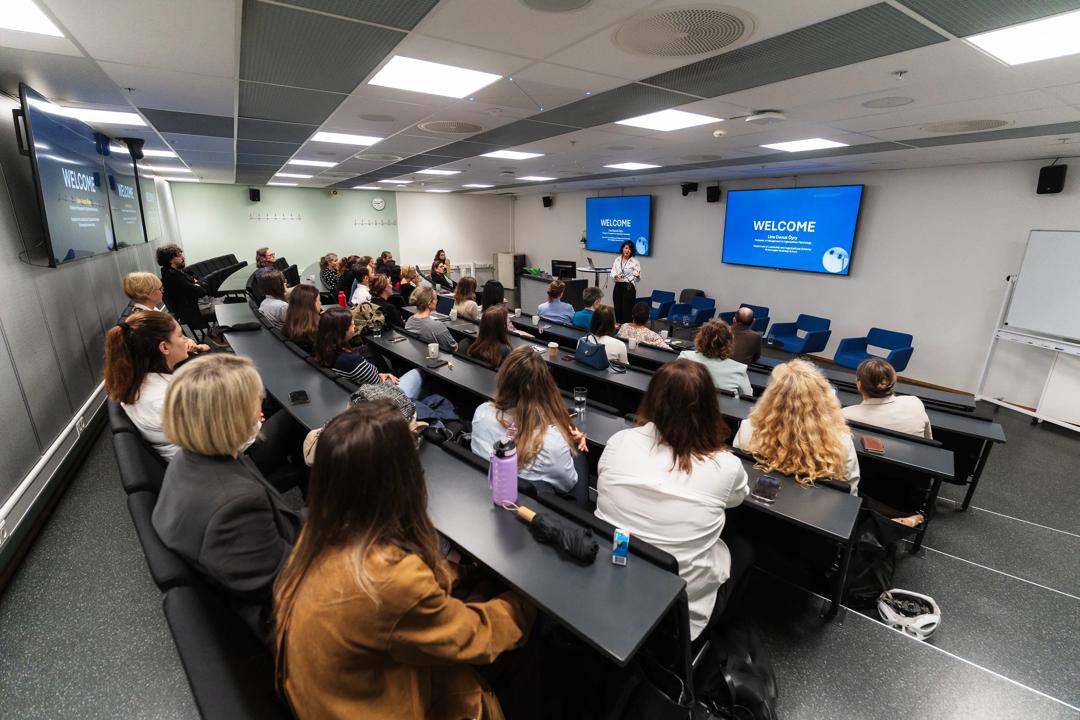
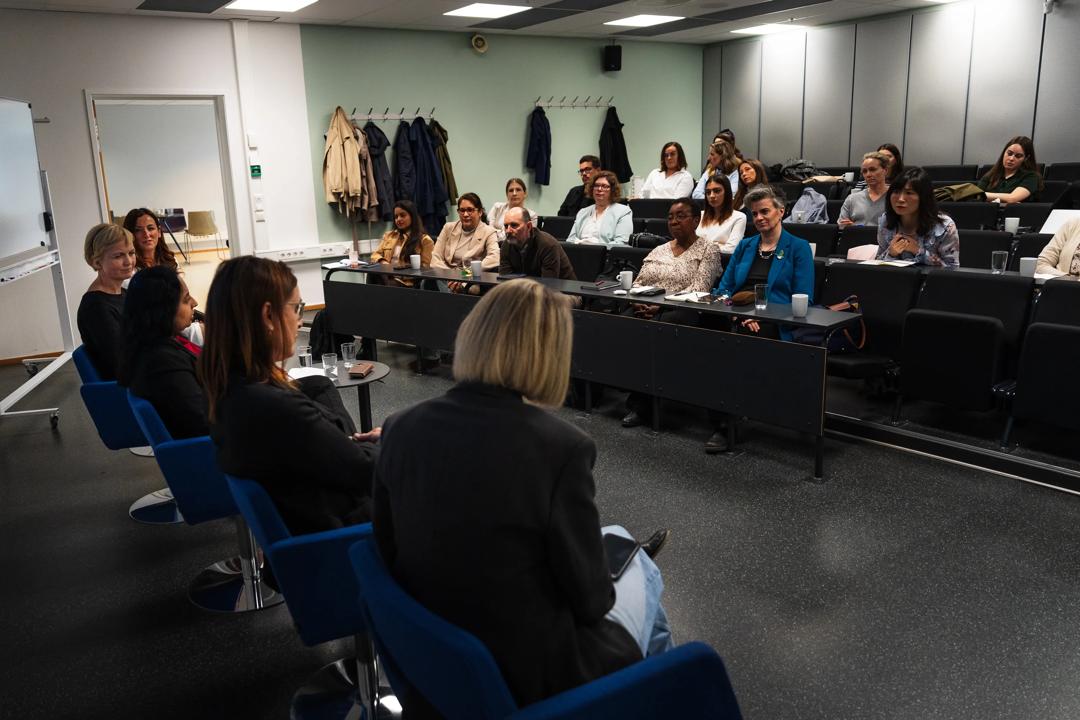
Image of the room with participants
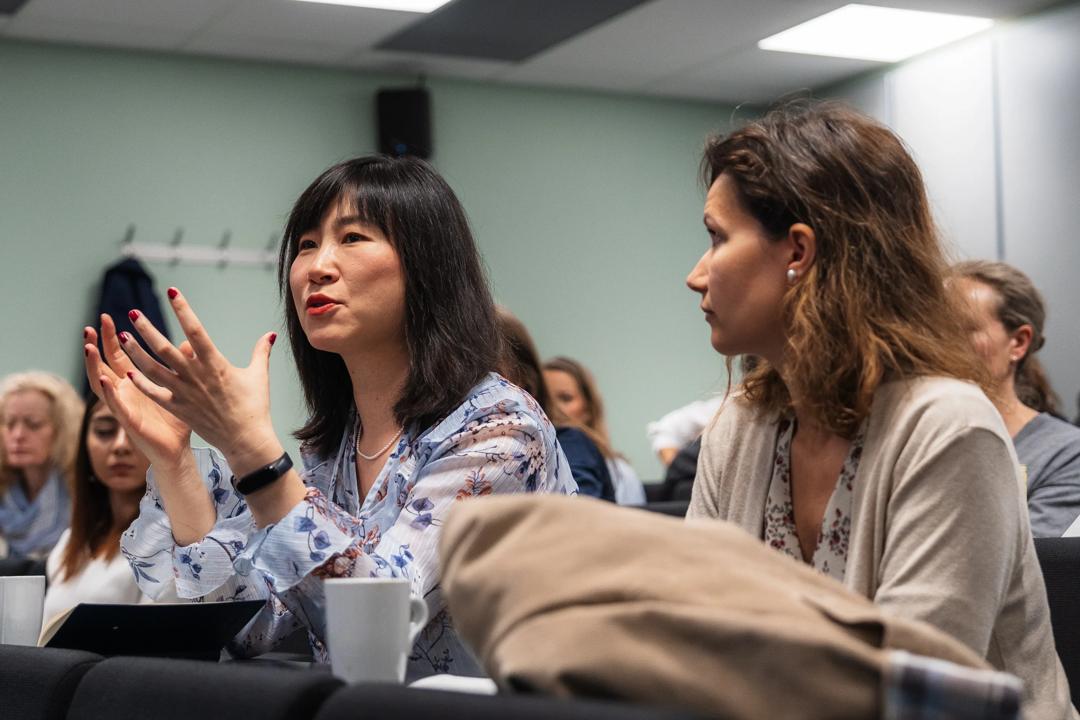
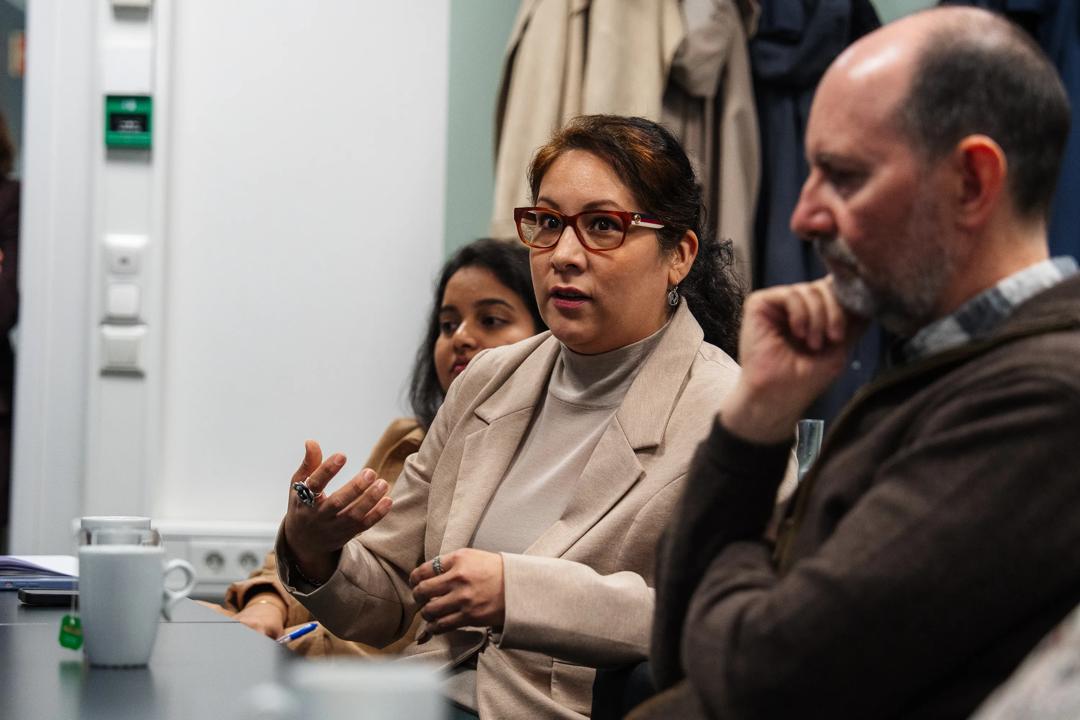
Image of to women from the audience speaking
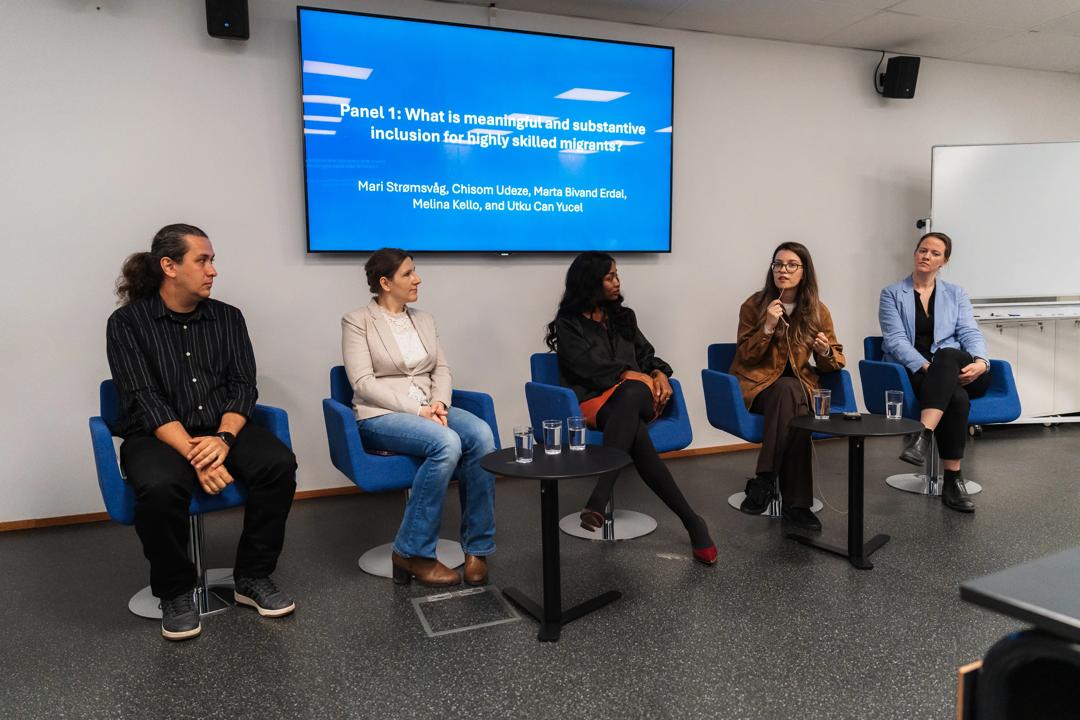
Image of the panel discussion. Five people sitting and debating
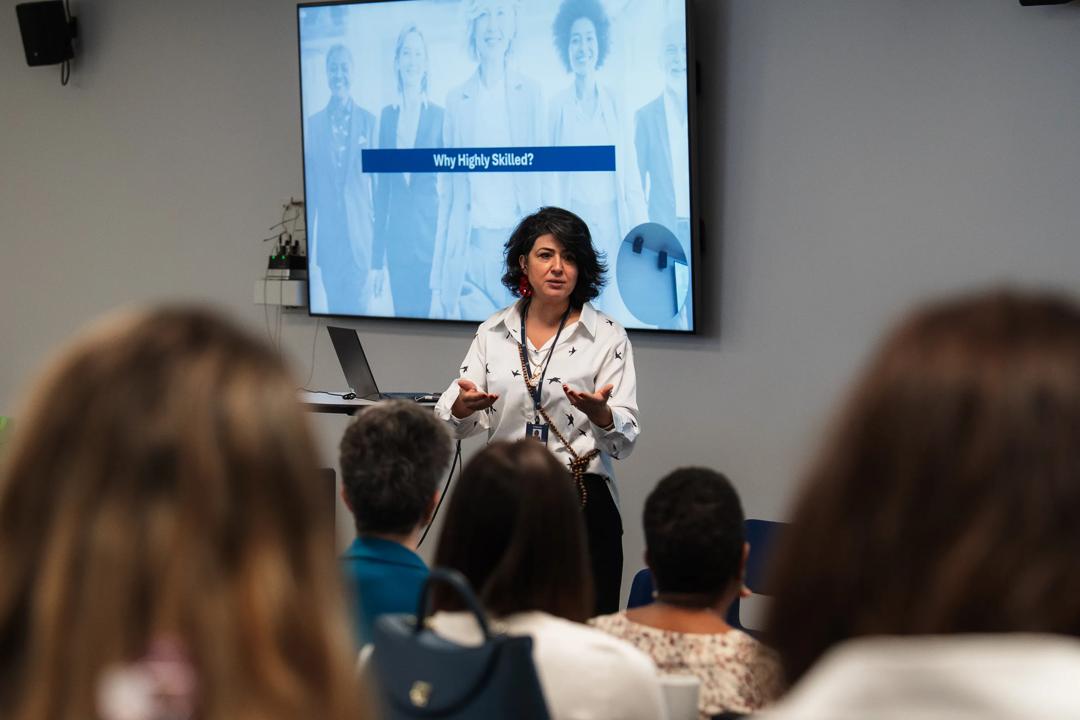
Lina speaking

The first panel focused on meaningful inclusion and brought together:

  • Marta Bivand Erdal, Research Professor in Migration Studies at Peace Research Institute Oslo (PRIO) and Co-Director of the PRIO Migration Center. A human geographer, she studies the impacts of migration and transnationalism in both emigration and immigration contexts.
  • Mari Stromsvåg, who has worked on talent attraction for the Oslo Region Alliance since 2020. The Oslo Region Alliance is a collaborative political membership organization representing 62 municipalities with the aim of strengthening the Oslo region as a competitive and sustainable international region. Moving from attraction to retention, Mari has successfully developed recruitment campaigns.
  • Melina Kello, who moved from Albania to Norway four years ago and now works as Program Manager at Catalysts Norway. With a background in school psychology, she works at the intersection of youth development, mental health, and inclusion.
  • Chisom Udeze, Economist, Strategist, and Executive Director at Diversify. With more than two decades of experience, she has led impact-driven companies and social change initiatives across three continents and serves on multiple boards and advisory roles.
  • Utku Can Yucel, who completed a computer science degree in 2013 and later pursued graduate education while working on large-scale software development projects in his home country. After moving to Trondheim in 2017 to follow his partner, he joined his current company as a backend developer and has since progressed to the role of Engineering Manager.

Together, we discussed policy, research, and the lived experiences of skilled migrant spouses. One of the key lessons concerned cultural fit: policies aimed at attracting migrants also need to address how to retain them and support their integration into workplaces, despite the many challenges created by organisational culture and unwritten, informal expectations.

We also identified important gender, sectoral, and organisational barriers. In particular, women from the social sciences may face greater difficulty than men in STEM fields when trying to enter the labour market. At the same time, small organisational practices , such as welcoming new employees warmly, leadership, and creating a friendly atmosphere, can make a real difference. 

The role of mentors was also heavily debated; there are different types of mentors, as Marta Bivand Erdal mentioned in her post on LinkedIn, and this needs further examination for both academics and practitioners, because mentors play a significant role in the lives of skilled migrants. 

Image of Sahizer
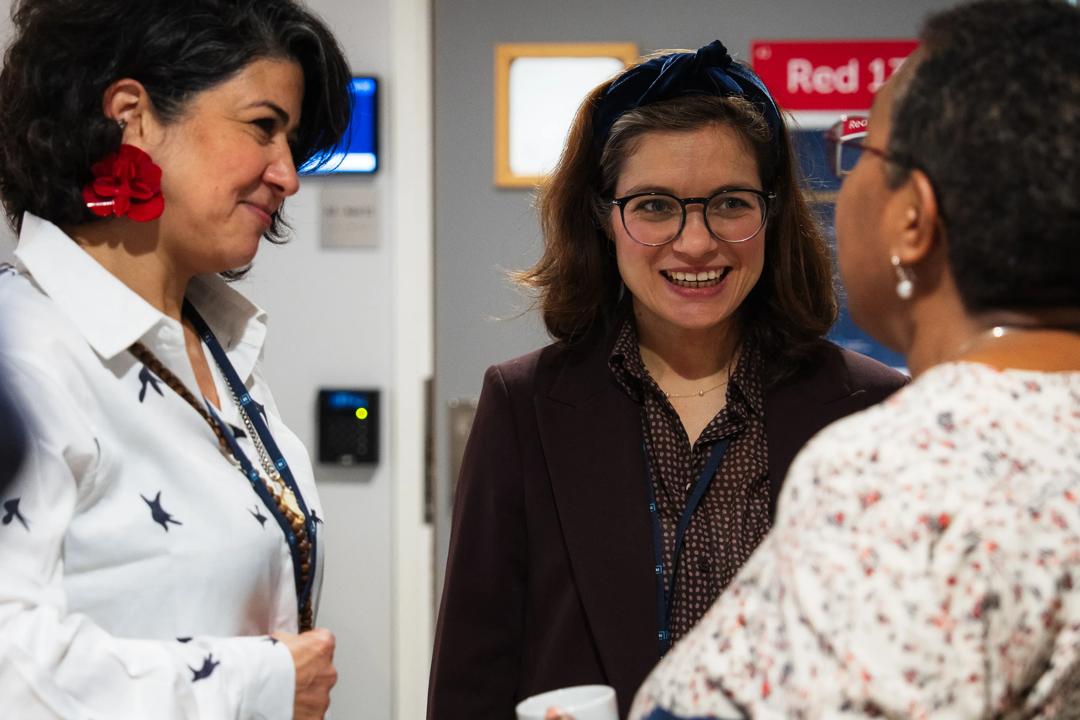
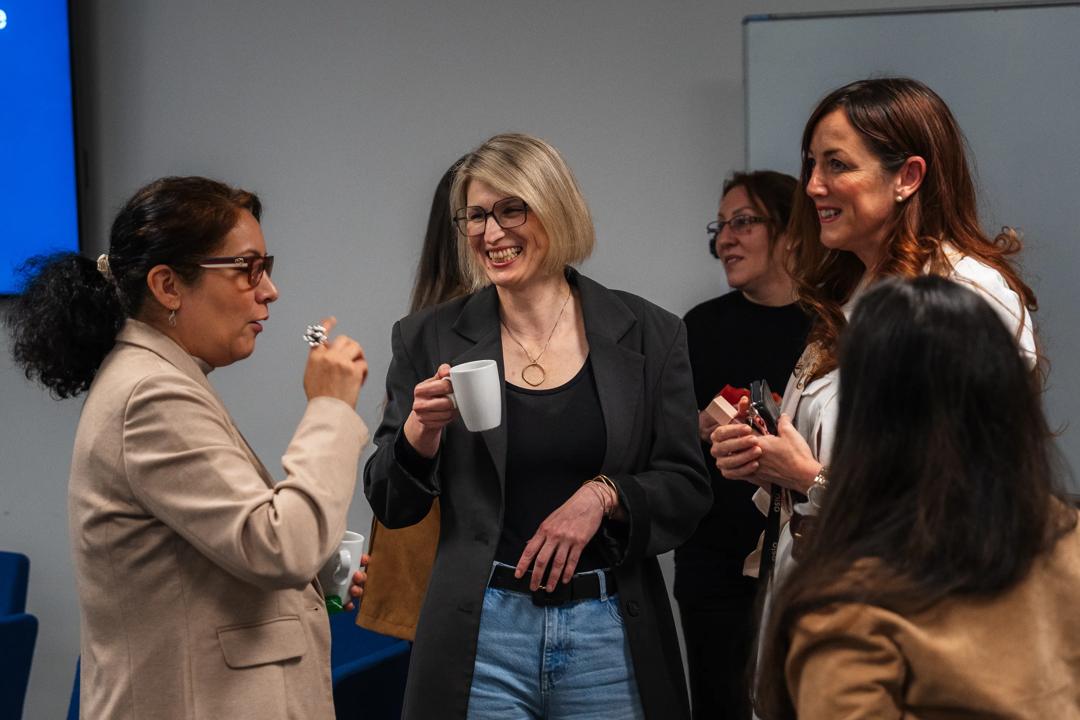
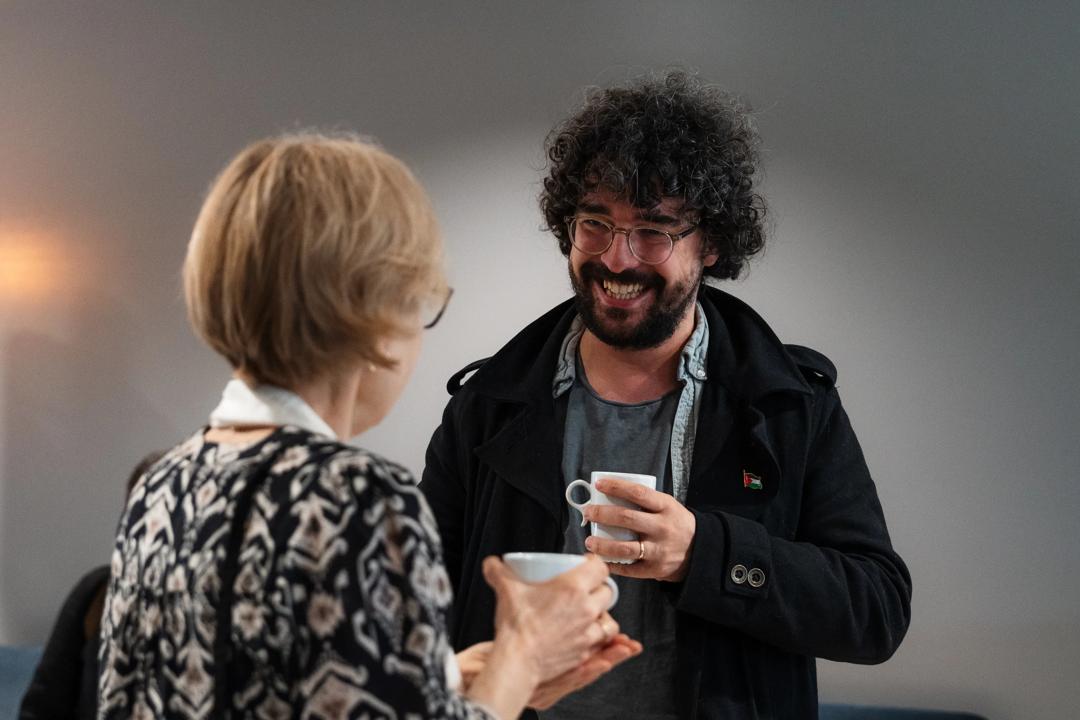
Participants mingling together
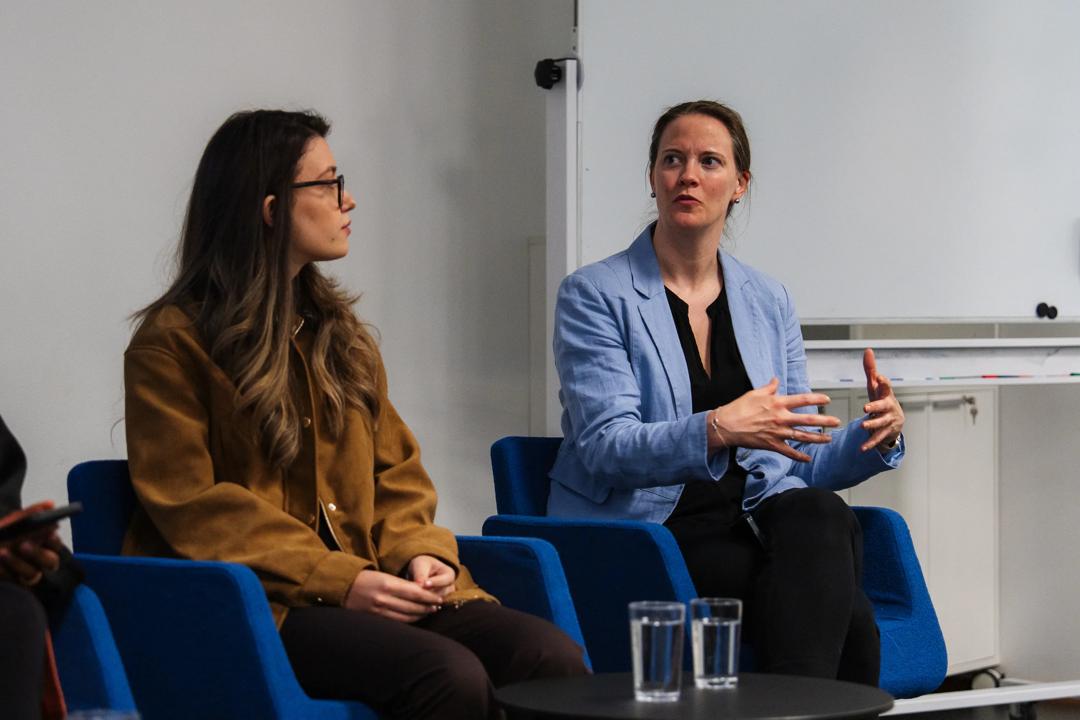
Two participants from the penal debate
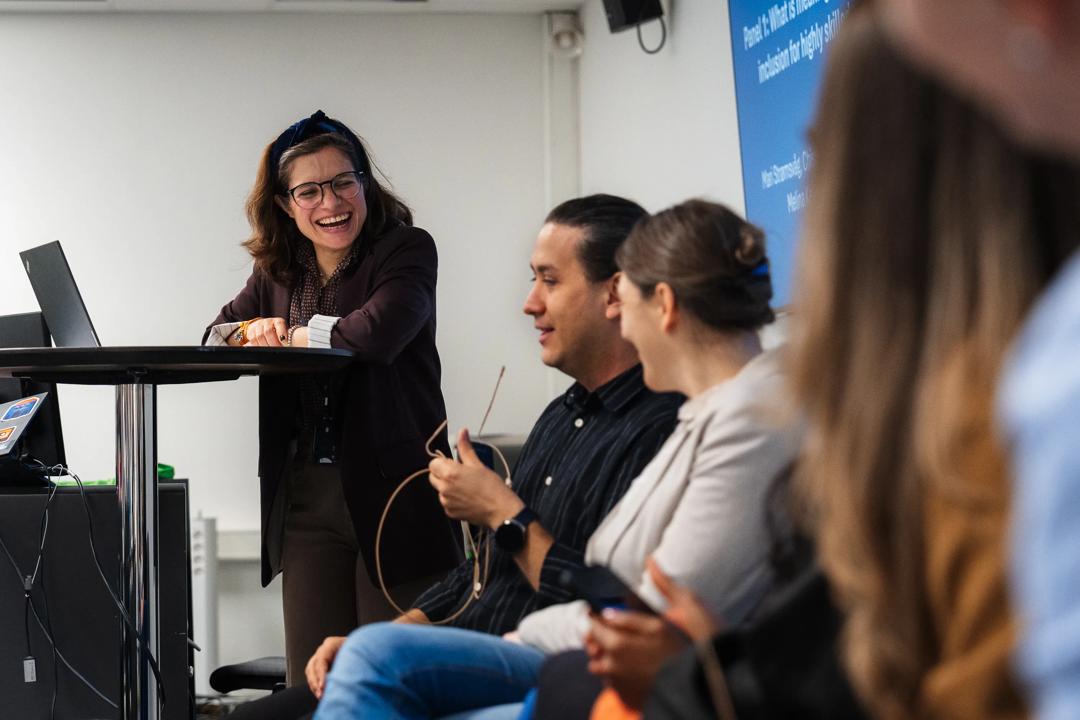
Image of Sahizer and panel discussants

The second panel focused on the underemployment of skilled migrant spouses and included:

  • Tone Indrelid, social anthropologist specialising in family global mobility and cross-border dual careers. Tone leads the Rogaland branch of Sammen om en jobb — Norway’s largest mentor programme for highly skilled migrants — which matches more than 160 mentor-mentee pairs each year.
  • Iva Ogrizovic, whose work focuses on learning, leadership, and inclusion through programme design, facilitation, and people development. Over the past six years, she has co-designed and led initiatives supporting entrepreneurs, professionals, and underrepresented talent in building careers, developing businesses, and navigating change.
  • Christy Lorgen, Partner at KPMG Norway and Global Head of Corporate Intelligence for KPMG. She has over 25 years of experience in business intelligence and holds a PhD in Social Policy from Oxford University, as well as a BA in Anthropology from Harvard University.
  • Poonam Barve, Global Talent Specialist at Yara International in Oslo. As both a recruitment professional and a highly skilled migrant herself, she brings a dual perspective on labour market access, inclusive hiring, and the ways in which qualified talent can be overlooked.
  • Rita Anson, who works at the intersection of investment, entrepreneurship, and talent development across the Nordic and European innovation ecosystem. Through roles at Charge Incubator, NorBAN Norwegian Business Angels, Nordic Ignite angel fund in Iceland, and EBAN, she offers a cross-border perspective on how talent, capital, and opportunity are connected in practice.

In this second panel, we discussed the importance of entrepreneurship, while stressing that entrepreneurship should not become the default or priority solution over meaningful, long-term employment. We explored the question of cultural fit and how employers may hesitate to hire people from different cultural backgrounds, as well as what can be done to address these barriers. These discussions show that there can be a great benefit to hiring skilled migrants in multinational companies especially. 

The discussion that followed was rich and thought-provoking, and it opened up important questions about inclusion, recognition, and labour market access. 

Afterwards, we held four discussion groups on:

  • the private sector and AI’s role,
  • the role of higher education and researchers,
  • the role of societal narratives, and
  • the role of policy.

The roadmap will emerge from these conversations.

We are deeply grateful to our discussion leaders Ørjan Flygt Landfald, Jannecke Wiers-Jenssen, Mari Strømsvåg, and Susana Meza for guiding these wonderful conversations in these discussion groups. We are also sincerely thankful to our photographer Stian Berntsen, our events organiser Ingrid Bredvold, Andrine Øyen, and Alexander Eriksson, as well as Marta, for helping with rooms, people, flowers, photographs, catering, and much more. Wonderful thanks to Mitra Alaie Brekke for organising our website and putting in wonderful content and photos. Special thanks also go to Åse Toska Fjeld-Hansen and Tove Aksnes for their generous support throughout. Last but not least, we warmly thank Ingrid Martine Helmersen Håpnes and Sonja Kristine Kittelsen for joining us and listening to us with great attention. Finally, great thanks to Shilan Tahir-Nasabi for organising our budget.

This was truly a team effort, and we hope the conversation will continue from here.

For more information about the programme and participants, please see the past event page.

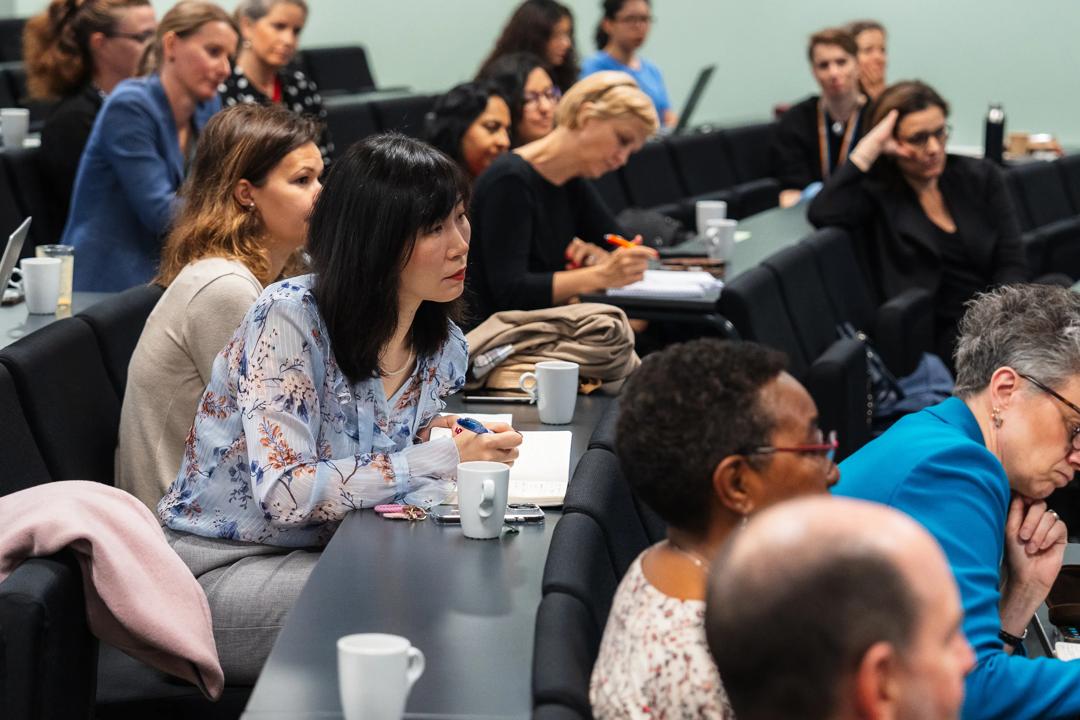
Behind the penal discussants, image of the audience
A man and woman mingling
A woman from the audience speaking
Close up of participants from the audience