Kari Einarsen
Associate Professor
Campus Bergen, Department of Leadership and Organizational Behaviour
Associate Professor
Campus Bergen, Department of Leadership and Organizational Behaviour
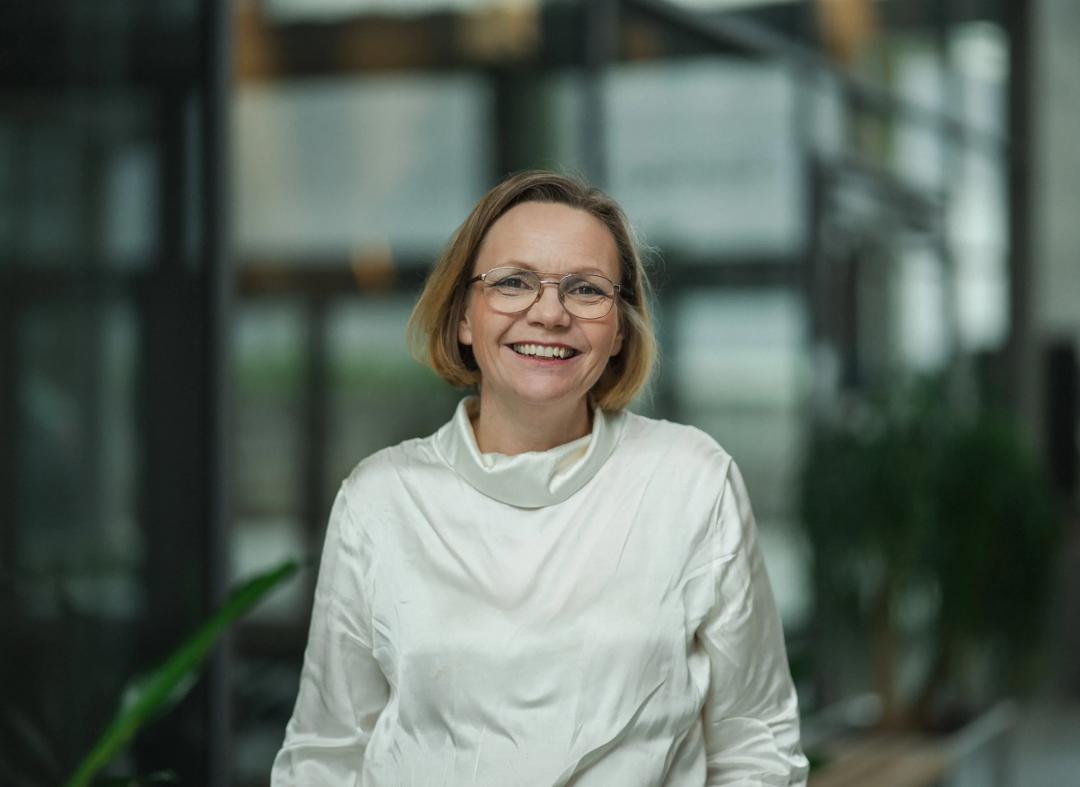
Shows 5 of 11 publication(s)
Chapter Kari Einarsen, Ståle Valvatne Einarsen (2021)
Article Kari Einarsen, Morten Birkeland Nielsen, Jørn Hetland, Olav Kjellevold Olsen, Lena Zahlquist, Eva Gemzøe Mikkelsen, Justine Koløen, Ståle Einarsen (2020)
Article Kari Einarsen, Denise Salin, Ståle Einarsen, Anders Skogstad, Reidar J. Mykletun (2019)
Article Kari Einarsen, Reidar J. Mykletun, Ståle Einarsen, Anders Skogstad, Denise Salin (2017)
Article Ambassador Rezene Meretse, Reidar J. Mykletun, Kari Einarsen (2016)
Shows 5 of 8 publication(s)
Interview Karen Anne Okstad, Marte Cecilie Wilhelmsen Solheim, Kari Einarsen (2018)
Interview Kari Einarsen (2016)
Participation in media Kari Einarsen (2016)
Participation in media Kari Einarsen (2015)
Interview Kari Einarsen, Reidar J. Mykletun, Denise Salin, Ståle Einarsen, Anders Skogstad, Elisabeth Jacobsen (2015)
Shows 5 of 20 publication(s)
Conference lecture Kari Einarsen, Kari Wik Ågotnes, Mats Glambek, Øystein Løvik Hoprekstad, Lena Aadnevik Zahlquist, Fergus Gilmour Neville (2025)
Conference lecture Mats Glambek, Øystein Løvik Hoprekstad, Kari Einarsen, Jane O'Reilly (2025)
Conference lecture Øystein Løvik Hoprekstad, Kari Einarsen, Mats Glambek (2024)
Conference lecture Kari Einarsen, Kari Wik Ågotnes, Mats Glambek, Øystein Løvik Hoprekstad, Lena Aadnevik Zahlquist (2024)
Conference lecture Mats Glambek, Øystein Løvik Hoprekstad, Kari Einarsen, Jane O'Reilly (2024)
| Year | Academic Department | Degree |
|---|---|---|
| 2018 | University of Stavanger | PhD |