Students at graduation
Why choose BI

Employability for International Graduates: Your Career Journey Starts at BI

At BI Norwegian Business School, we prepare you for career success from day one. Through practical learning, internship and industry connections, you'll build skills employers value. Our graduates' career outcomes reflect the value of a BI education.

Norway offers exciting career opportunities and a working culture that values trust, teamwork and work–life balance. Discover why Norway could be a great place to start your career and what makes the Norwegian way of working different.

Considering a Career in Norway?

According to BI's 2025 Graduate Employment Survey, 65% of employed international graduates were working in Norway six months after graduation. Norway is known for its high quality of life, but it's also a great place to start a career. With a strong economy, a modern business culture, and demand for qualified professionals, international students can find real opportunities here.

Norway could be an exciting place to start your career after BI. Here's what makes working in Norway worth considering:

  • International career opportunities: Many internationally oriented companies use English, while learning Norwegian can open even more doors.
  • A digital and innovative economy: Norway ranks among the world’s most advanced digital economies, with strong demand for graduates who can use data and digital tools to solve problems and drive change.
  • Stay after graduation: Eligible non-EU/EEA graduates can apply for a residence permit to seek skilled employment for up to one year.
  • Leadership model: Flat hierarchies, trust and work–life balance are central to Norwegian working life. Oslo ranked 1st in the global Work–Life Balance Index (Kisi, 2022).
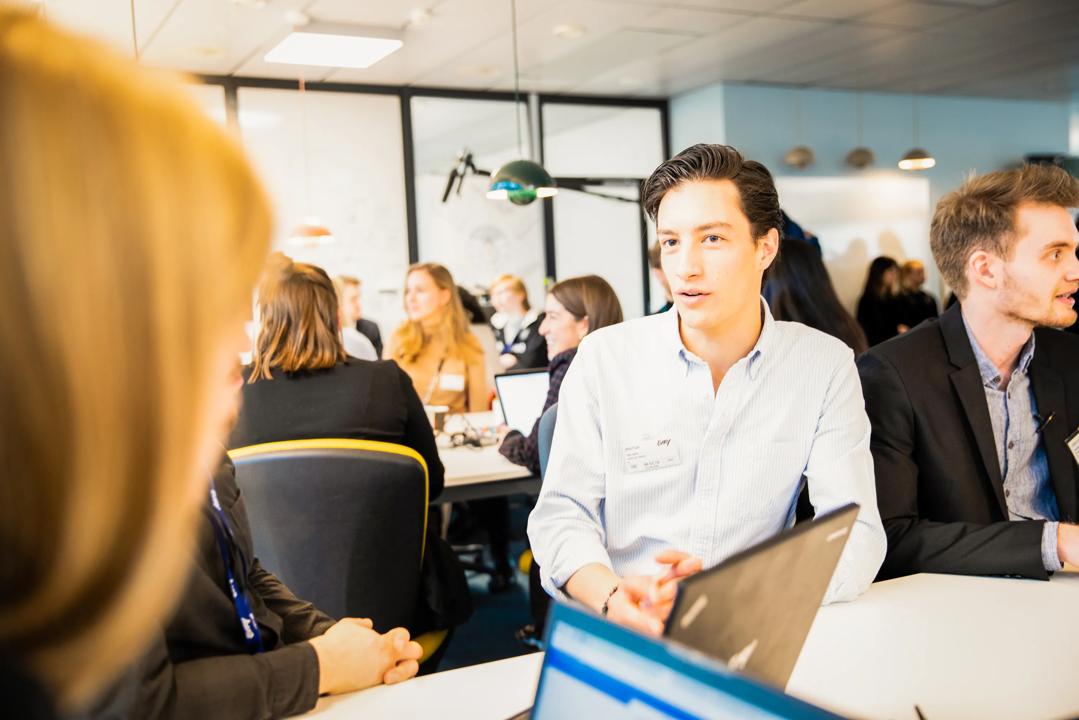
Two people talking at an office

Leadership model

Norwegian leadership is characterised by a flat organisational structure, employees who enjoy a high degree of freedom and influence.

  • Scandinavian leaders are known for encouraging dialogue across the organisation and involving employees in decisions. Leaders work closely with their employees and commonly there is a short distance between the leadership and the workers.
  • Respect is something you earn, right? Scandinavian leaders don’t get respect from their employees just by being the boss. Instead, by including, sharing, and encouraging different opinions, they will be on the right path. Leaders must be prepared to be told if their employees disagree with them.
  • Sharing knowledge and important information with each other. In Norway, it’s not unusual for CEOs to practice full financial transparency. This creates an environment that is based on mutual trust and a sense of shared responsibilities and common goals.
  • The Scandinavian Leadership Model emphasises the importance of delegating work. Instead of micro-managing projects, employees are trusted to execute tasks in alignment with a common goal. The model is based on teamwork and the notion that every employee has a voice, responsibilities, and influence. A woman and a man giving a high five too each other