
Sustainability strategy
Research with purpose
At BI Norwegian Business School, we believe in research that matters. Our commitment is to rigorous, high-quality academic work that strengthens business practice, provides evidence for policymakers, and contributes to solving major societal challenges. Guided by Strategy 2030, which emphasizes responsible research and societal relevance, we pursue knowledge that drives sustainable, long-term value creation.
Contributing to the UN Sustainable Development Goals
In 2025, BI's research contributed most to the UN Sustainable Development Goals (SDGs) in health and well-being, industry and innovation, and partnerships, alongside decent work, reduced inequality, and quality education. Of BI's 273 publications indexed in the Web of Science Core Collection, 58% addressed at least one SDG. The breakdown below shows where our contributions are concentrated.

Figure: How BI's 2025 research maps to the UN Sustainable Development Goals (SDGs). Ten most-represented goals shown, sized by share of Web of Science–indexed publications.
Committed to open science
BI makes research publications openly available through the Norwegian Research Information Repository (NVA). This includes both publicly funded research and research where open access is financed by BI. In line with national open science requirements, all publicly funded Norwegian research is openly accessible. BI additionally supports open access publishing beyond these requirements and encourages researchers to register and disseminate their work through NVA, ensuring broad access for academia, business, policymakers, and the wider public.
Archive and reporting
Transparency is central to the Nordic academic tradition. We provide comprehensive overviews of our research contributions from previous years to track our evolution in sustainability.
- Explore our previous sustainability research reports: 2020–2021, 2019, and 2018.
- Read Strategy 2030 to learn more about BI’s approach to research and societal impact.
Engaging in the public debate
Bridging the gap between theory and action is essential. BI Business Review publishes research-based articles and opinion pieces by BI faculty, translating academic insight into accessible knowledge for business and policy. Many contributions are also featured in national newspapers, bringing research-based perspectives into public debate.

BI values both curiosity-driven and practice-oriented research. By working across disciplines and with stakeholders, we turn evidence into action and generate knowledge that contributes to long-term societal benefit.
Research centres
Driving focused impact
Sustainability is a key dimension of the work across BI's research centres. The following highlights their research topics related to sustainability, ethics, and responsibility, which is pursued as part of their broader, interdisciplinary portfolios in collaboration with business and society.
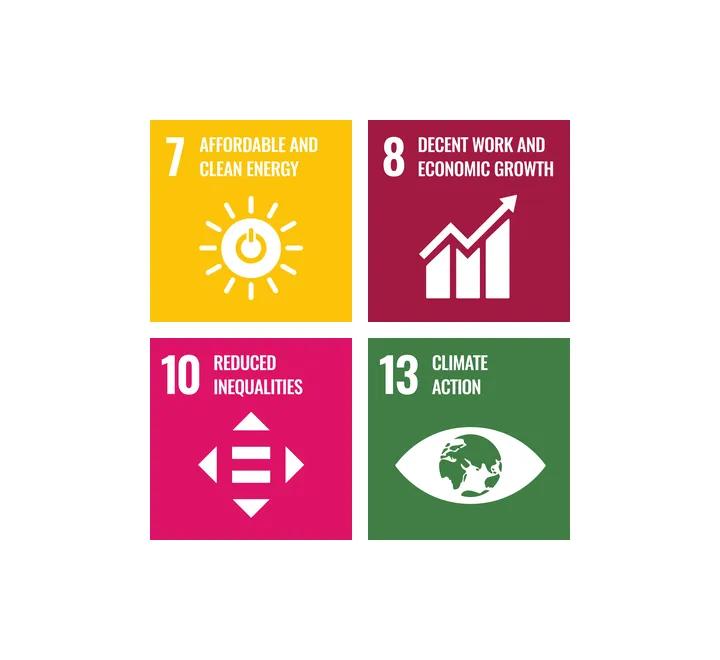
carbon pricing and emissions trading, climate and energy policy impacts, climate risk and financial stability, renewable integration, and just-transition labour-market effects.
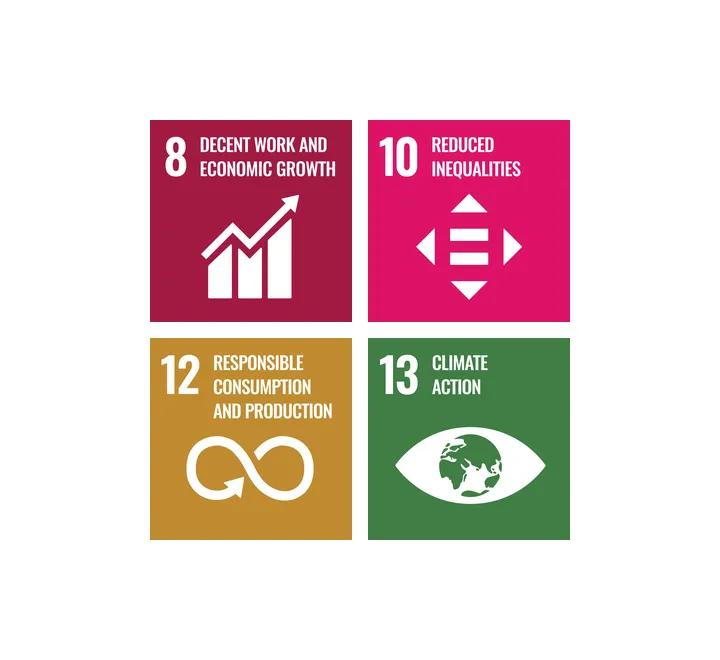
climate and nature risk, responsible investment, financial inclusion, inequality, market stability under systemic and climate-related shocks, and long-term economic resilience.
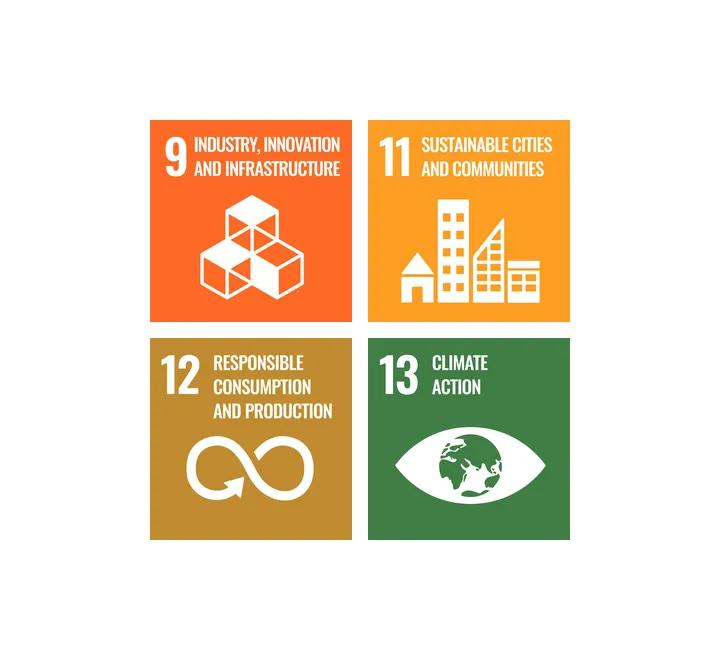
circular resource use, waste reduction, climate impacts, digitalisation, collaboration across value chains, and the governance of large, complex projects.
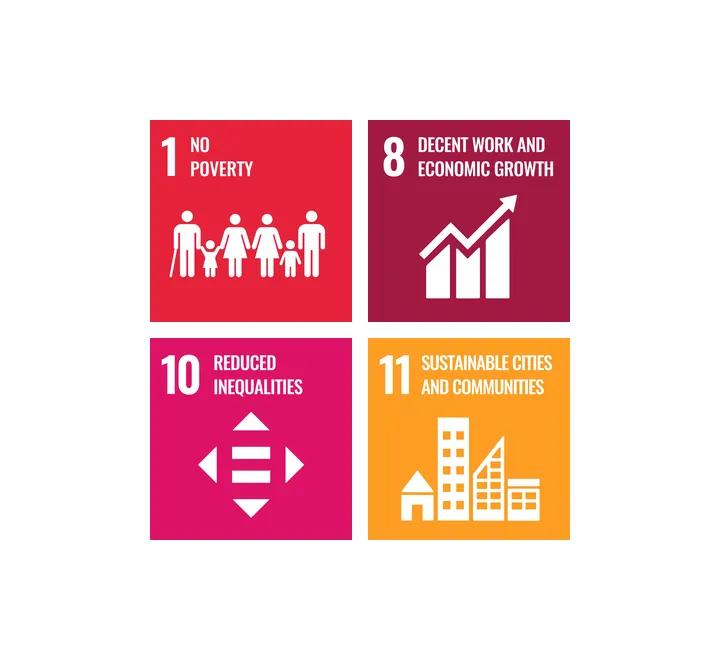
wealth accumulation and inequality, housing access and mortgage-related financial vulnerability, the distributional effects of economic shocks, and the welfare implications of policy.

ethical decision-making and leadership, patient-centred services, digital health and responsible innovation, collaboration across health systems, and the governance of high-quality care.
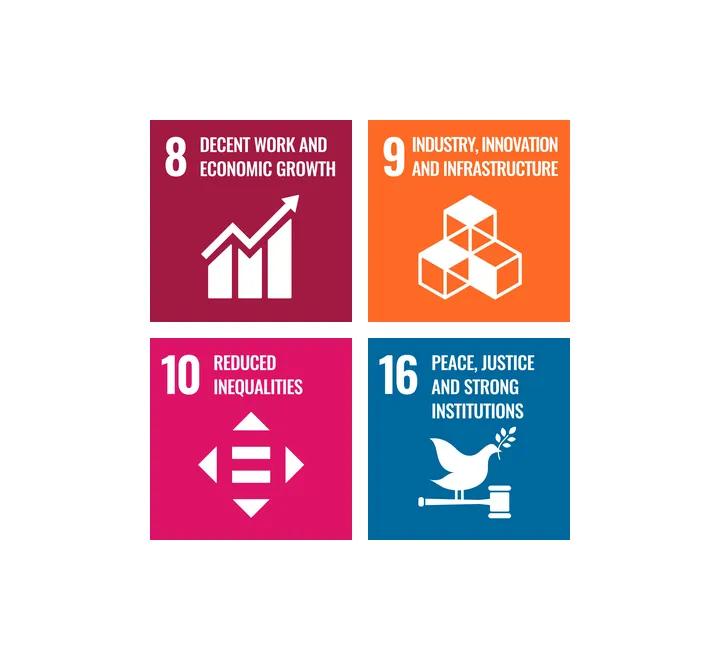
digital work and platform economies, data privacy and governance, algorithmic decision-making and accountability, digital inequality, and the ethics of artificial intelligence.

board gender balance, sustainability expectations, financial inclusion, climate and nature finance, responsible succession, family firms and social responsibility, and the Norwegian green bond market.
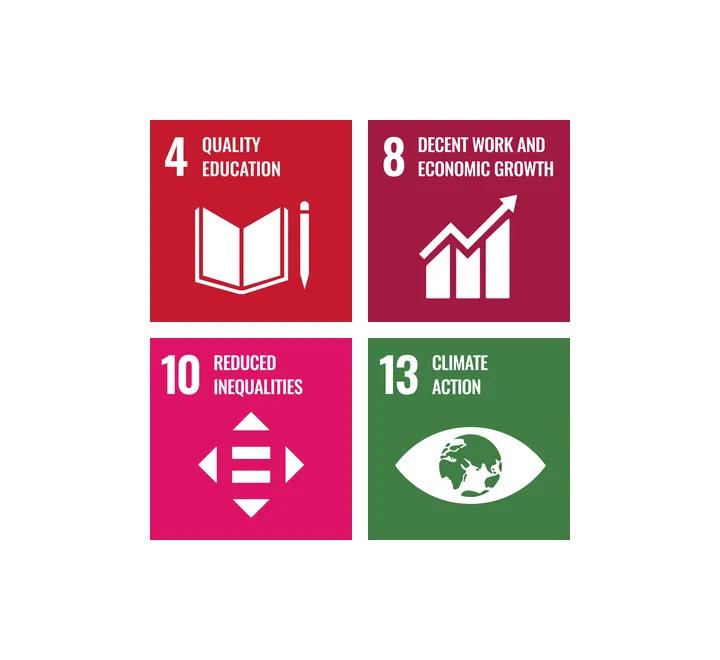
social sustainability, labour protections in the green transition, education and skills systems, collective labour relations, and digital and platform work.
Centres, groups and other initiatives
A cross-cutting theme
The focus on sustainability, ethics, and societal responsibility extends as a cross-cutting theme to other research environments at BI. The overview below highlights these aspects of their work, which is grounded in Norwegian and Nordic contexts.
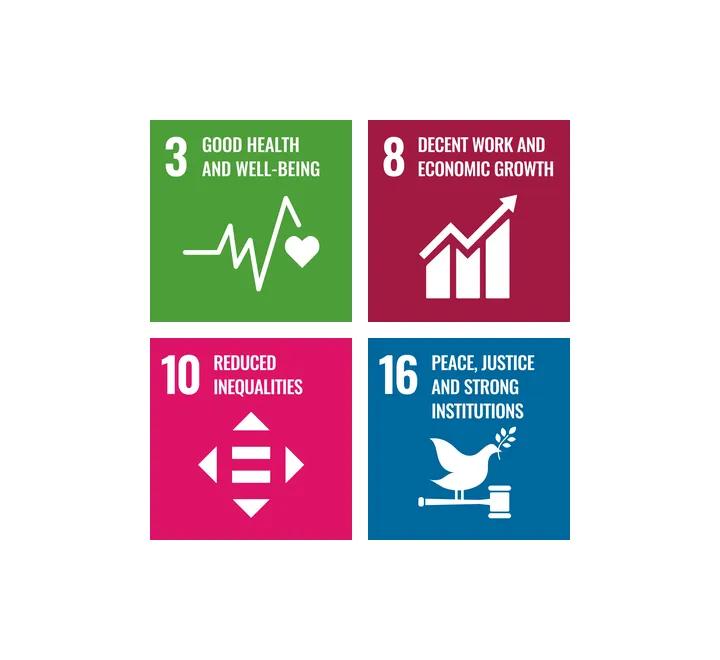
patient care, healthcare workforce sustainability, equitable access and the scope of universal coverage, and the design and regulation of healthcare systems.

access to essential medicines and pandemic preparedness, resilient medicine and vaccine supply chains, supply security and the reduction of shortages, and large international, cross-disciplinary research partnerships.

stronger learning and development in schools and kindergartens, reducing inequality in learning outcomes, leadership and governance across the education sector, and partnerships with municipalities and national authorities.

research on responsible AI, trust, disinformation, and corporate social responsibility.
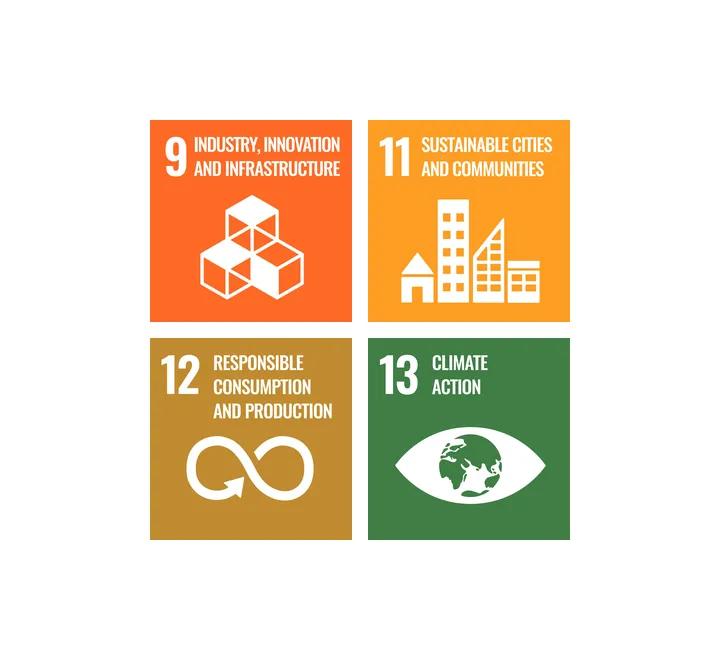
sustainable logistics, transport regulation, food waste reduction, and low-emission supply chains.

tax avoidance and transparency, wealth and income inequality, climate-related taxation, global mobility and tax base erosion, fiscal governance, and the role of tax systems in fair, resilient societies.
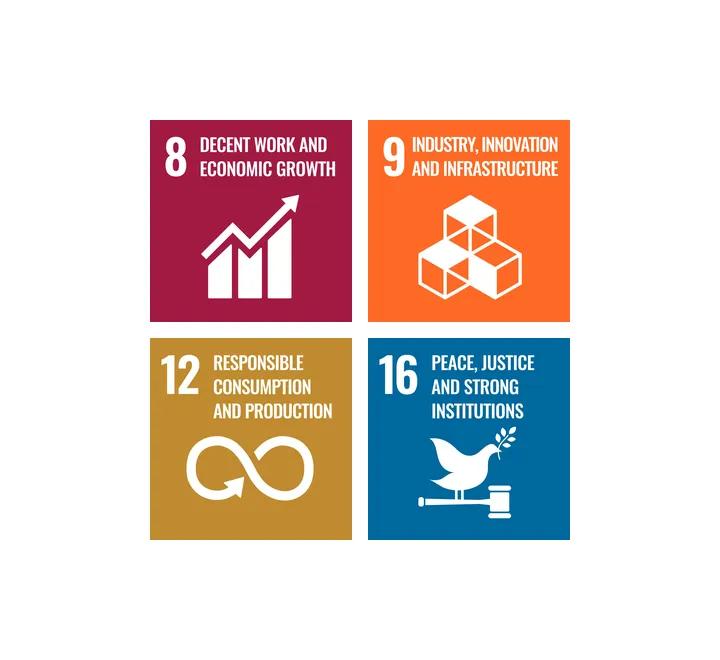
industrial systems and infrastructure, state–business relations, labour relations, corporate power and responsibility, responsible investment and consumption, and the historical roots of today's economic, social, and environmental challenges.

governance, responsible capital management, impact measurement, and operational practices that strengthen long-term societal impact.
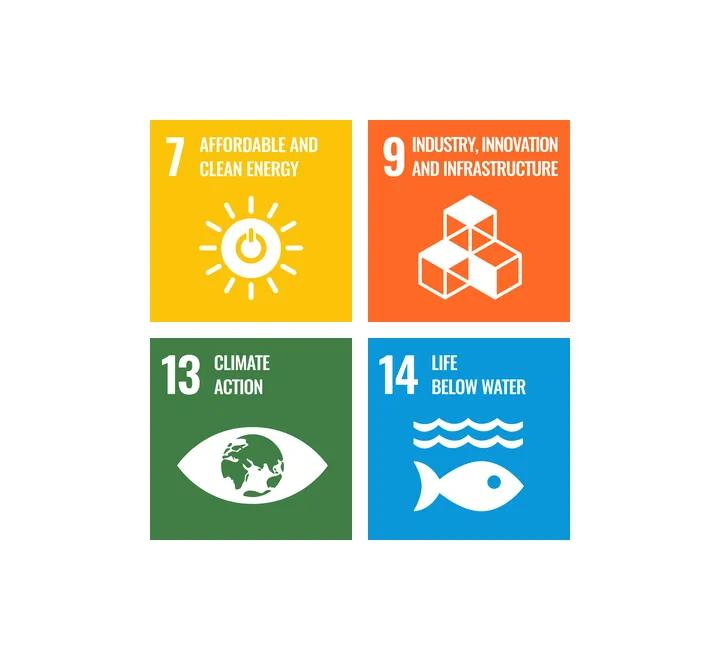
shipping decarbonisation, the climate and energy transition in ocean industries, maritime regulation and governance, public procurement and emissions reduction, autonomous and digital shipping, and the conditions shaping ocean-based industries.
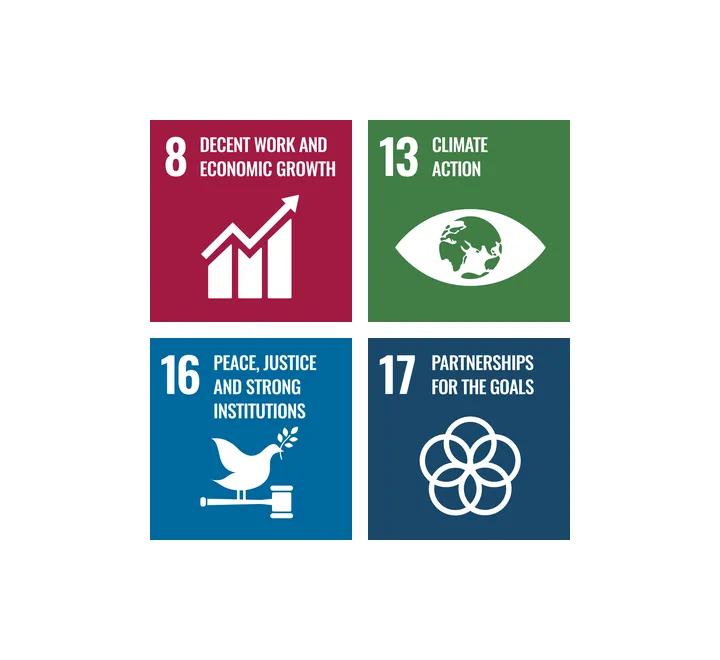
work on institutional accountability, long-term economic stability, and climate change in monetary policy.

Centre for Sustainability and Energy
energy system transformation, governance and policy frameworks for climate and sustainability challenges, and climate psychology.