
Sustainability strategy
Cultivating a responsible mindset
At BI Norwegian Business School, we prepare graduates to lead with responsibility. We equip students with the tools and knowledge to make sustainable and ethically sound decisions.
Responsible Management Education (RME) is central to BI’s mission. It is how we prepare students to build meaningful careers and drive positive change for organisations and society.
Key frameworks
Our commitment is operationalised through leading global frameworks. Ethical, sustainable, and responsible perspectives are integrated across all academic offerings, guided by our engagement with the UN Sustainable Development Goals (SDGs) and the Principles for Responsible Management Education (PRME). We also draw on complementary frameworks such as EU GreenComp and UNESCO Key Competencies for Sustainability.
Together, these frameworks ensure that our educational content develops graduates’ ability to analyse complex problems, assess trade-offs and impacts, think critically, and act responsibly.
Integrated by design
Ethics, sustainability, and responsibility are not taught as standalone topics at BI. Instead, they are embedded in curricula, learning outcomes, and teaching practices across all degree programmes.
To support this work, the RME (Responsible Management Education) Resource Group, comprising faculty experts in sustainability and ethics, was established with a direct mandate from BI’s President and Provosts in early 2025. The group provides dedicated internal expertise to maintain high academic standards and drive continuous development.
Guided by BI’s Learning Centre and the RME Resource Group, BI applies a systematic approach based on constructive alignment at both course and programme level. Learning objectives, teaching activities, and assessments are aligned to ensure a consistent foundation in responsible management for all BI graduates, while preserving academic flexibility within disciplines.
How we integrate Responsible Management Education
Responsible Management Education at BI is delivered through a multi-layered approach:
- Core curriculum - Ethics, sustainability, and responsibility are embedded across the core curriculum, ensuring a shared baseline for all BI students.
- Programme-specific courses - Dedicated courses and programmes address sustainability challenges specific to disciplines and professional fields.
- Focused electives - A broad portfolio of electives allows students to deepen expertise in sustainability, ethics, and responsibility based on academic and career interests.
- Experiential application - Learning culminates in applied settings such as capstone case courses and internships, where students learn how to do sustainability in practice.
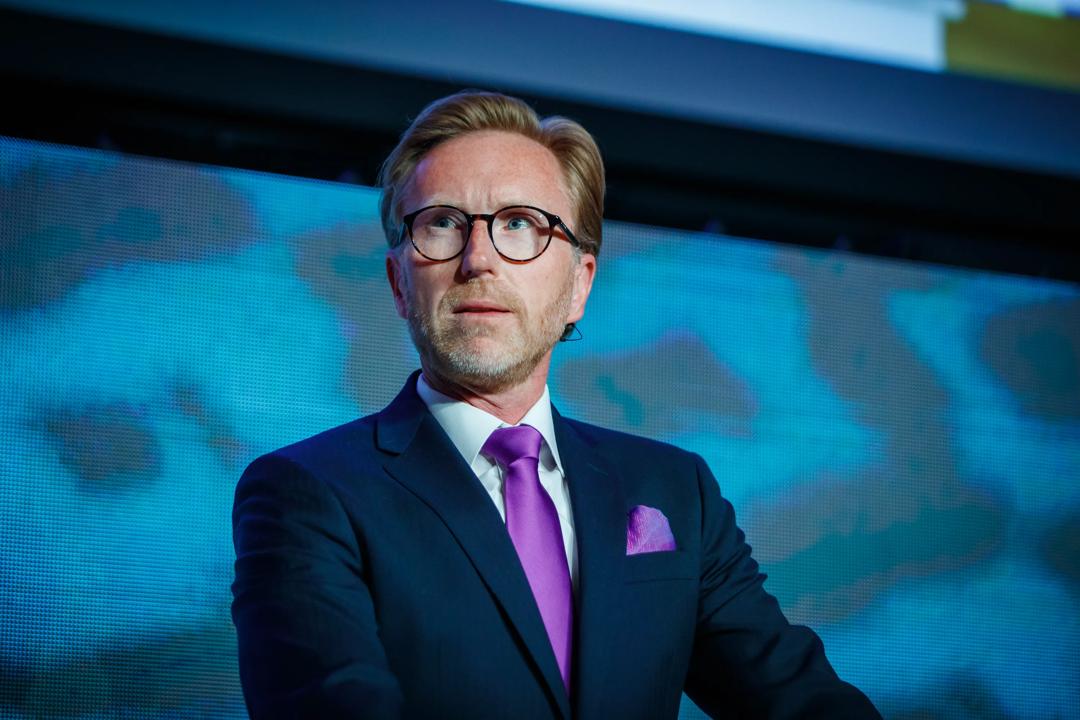
Rather than isolating sustainability and ethics in standalone courses, our new approach embeds these themes across all programmes. They are now foundational to BI’s Graduate Profile. We believe that responsibility should not be treated as a separate topic. Instead, it must become part of our students’ mindset - something that informs their everyday decision-making and professional identity.
Transparency and continuous development
As a PRME signatory, BI reports transparently on how sustainability and Responsible Management Education are integrated across education, research, and institutional activities. The Sharing Information on Progress (SIP) Report 2025 provides an overview of BI’s work in this area, with previous reports available through the PRME portal.
Programmes and individual courses



Executive courses taught in Norwegian

Master's Course
Grønn vekst og konkurransekraft

Master's Course
Multicultural Leadership
Master's Course
Bærekraft i praksis

Master's Course
Anvendt økonomi
Master's Course
Bærekraftsrett - klassifisering, rapportering og handling

Master's Course
Økonomi og geopolitikk i energiomstillingen

Bachelor's Course
Marked, kriser og bærekraft

Bachelor's Course
Bærekraftig risikostyring
Executive course
Avfall som ressurs – nøkkelen til sirkulærøkonomi

Executive course