Research with impact
BI's researchers contribute with research at the top international level. This contributes to new knowledge that provides better decisions, smarter ways of doing things, as well as new products and services.
BI's researchers contribute with research at the top international level. This contributes to new knowledge that provides better decisions, smarter ways of doing things, as well as new products and services.
For BI, societal impact is about creating knowledge that makes a difference. BI defines societal impact as the positive contribution we make to addressing societal challenges through our research and education.
Societal impact can take many forms and may take time to emerge. It can influence business practices, inform public debate and policy, shape new solutions or change how we understand important issues.
At BI, research starts with curiosity and a desire to understand the world better. Its impact is realised when that knowledge travels beyond academia and contributes to positive change in business and society.
BI’s Strategy 2030 prioritises high-quality research that advances knowledge, improves business practices and helps address societal challenges. We support a bottom-up, curiosity-driven approach to research, enabling researchers to pursue important questions based on their expertise, interests and emerging opportunities.

Over the past 20 years Norwegian Customer Satisfaction Survey (Norsk kundebarometer/NKB) has rated customer loyalty and customer satisfaction of Norwegian companies. The ranking has a high standing in Norway.
The annual results receive considerable public attention. The survey gets cited between 2000-3000 times in the media each year.

One in strategy, innovation and leadership for top managers across the healthcare sector, and another in leadership and innovation for middle managers in the primary healthcare services. More than 250 healthcare managers complete these programs each year.
An external consultancy, Rambøll, evaluated the latter program throughout 2015-2021. Students of the program and their superiors and employees were interviewed, and the evaluation concluded that the program had significantly improved quality in health services through developing innovation and relationship-oriented leaders.

CAMP receives funding from Equinor, the Research Council of Norway and the Norwegian Finance Market Fund.
The centre’s objective is to conduct original and objective research to improve the understanding of macroeconomic issues in resources rich economies, and act as a forum for discussion of policy issues between academia, the government, and the private sector.
CAMP and the media analytics company Retriever regularly publish the indicator Financial News Index (FNI). FNI measures what news media write about the economy and uses the data to predict future economic development.

The centre focuses on how ownership and governance of firms impact value-creation and the welfare of firms’ stakeholders. Its members aim to produce high-quality research that offers evidence-based insights and guidance related to the theory and practice of corporate governance.
The database on Norwegian firms is made available to MSc and PhD students at BI Norwegian Business School. CCGR brings together researchers and practitioners through conferences and workshops. Members of the centre regularly disseminate findings in the media.
Our bottom-up approach enables faculty, departments and research centres to shape their own research directions. This creates space for curiosity, new ideas and unexpected discoveries while building the foundations for excellent research and long-term impact.
At the same time, BI researchers connect with external stakeholders throughout the impact journey. Through our research centres and partnerships with businesses, public organisations and other societal actors, we facilitate knowledge exchange and collaboration around challenges that matter.
BI's impact extends far beyond the research itself. Through our education, graduates and global network of more than 200,000 alumni, we ensure that knowledge and ideas created at BI continues to shape businesses, organisations and communities around the world.
To better understand and communicate our societal impact journey of research, BI has developed a Societal Impact Framework and Impact Pathway Model. These illustrate how knowledge is created and moves from research and education into engagement, application and, ultimately, positive change in the real world.
At BI, research provides new insights and helps address challenges across industries and society.
Watch the videos below to discover how BI is making knowledge that matters – from exploring how public procurement can help tackle antibiotic resistance and drive change in the pharmaceutical industry, to understanding how our senses shape the way we perceive products, brands and experiences.

Digital status refers to your standing in the digital world, often measured by "status markers" such as likes, upvotes or views. Professor Christoph Lutz will head a new research project on how these influence social and economic inequality.
BI will coordinate EMANAIRE and co-lead REGULAIRE, two Horizon Europe doctoral networks that examine how AI is reshaping organisations and how institutions respond to fast-moving technologies.
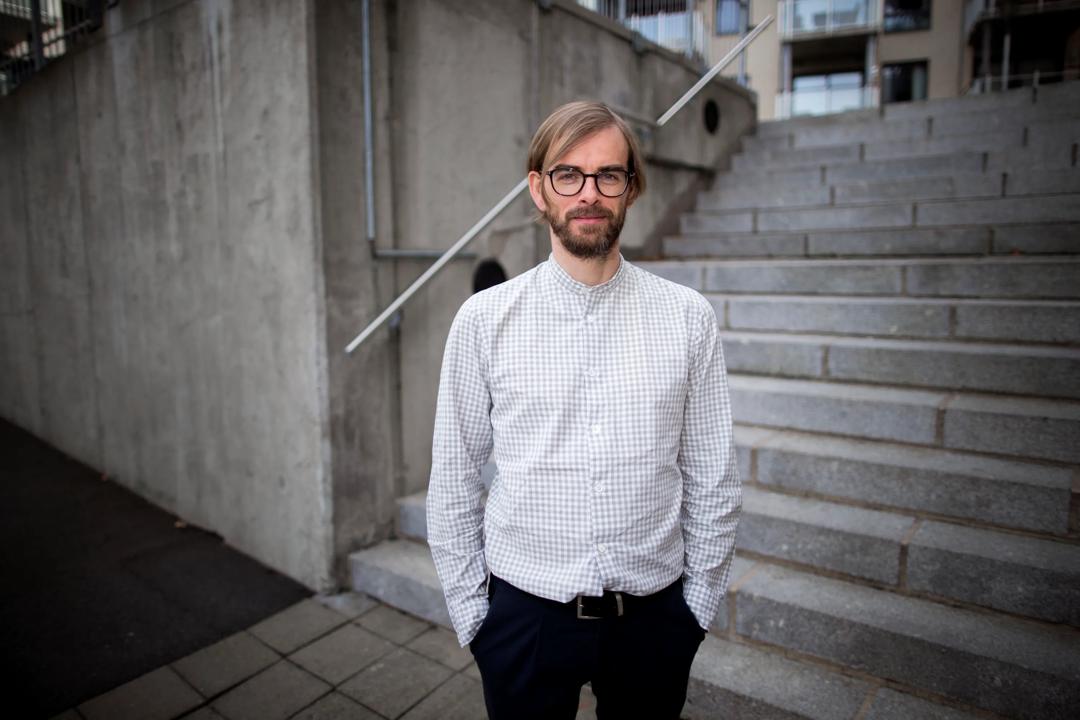
Public bureaucracies form the backbone of democratic states. Professor Benny Geys will lead a major new research effort investigating the challenges facing them with funding from the Research Council of Norway.

How well do households, workers and institutions cope when they are hit by major economic shocks? This question has shaped Caroline Espegren’s research, from her PhD at BI Norwegian Business School to her current position as a postdoctoral fellow at Harvard Business School.