
Published 5. November 2026
For years, walking into an Abercrombie & Fitch store felt more like entering a nightclub than a clothing shop: loud music, dramatic lighting, and a strong signature fragrance. The formula was meant to signal exclusivity. For many shoppers it was simply too much, and the company eventually turned the lights up and the volume down.
This is not a niche problem. Neurominorities, including autistic individuals and people with ADHD, make up an estimated 15 to 20 percent of the population. Combine them with older adults experiencing sensory decline and people with heightened sensory sensitivity, and a substantial portion of any customer base is shopping in environments that feel like sensory minefields.
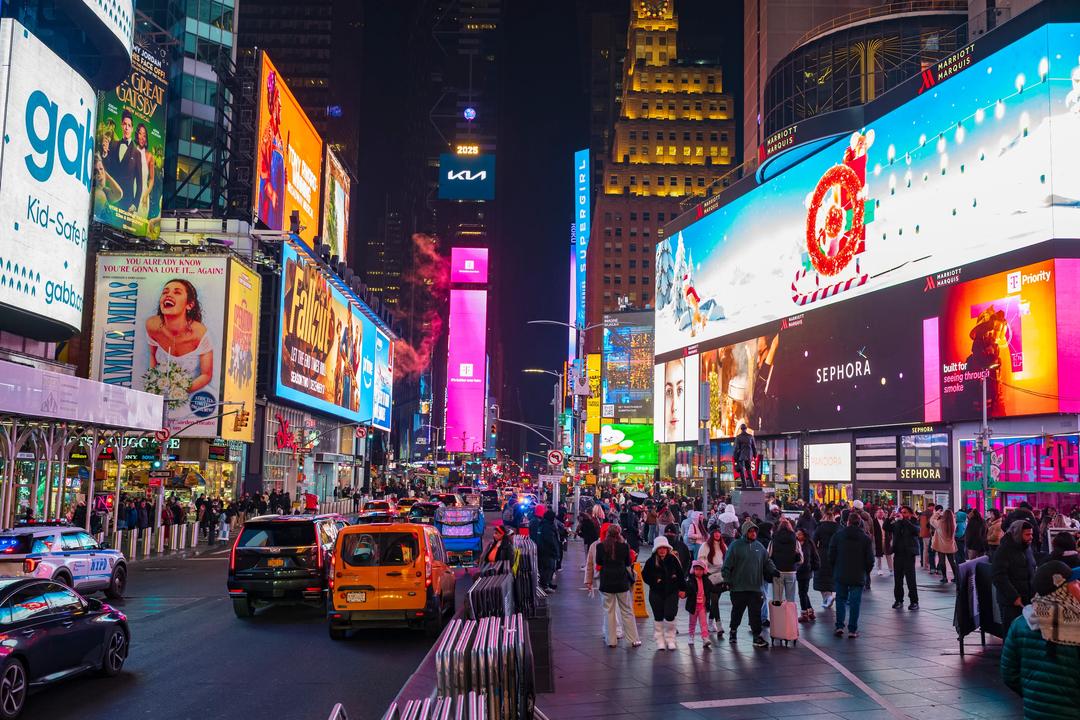
Nor is it limited to retail. Restaurant noise often reaches 80 to 90 decibels, and noise now tops many diners' complaints. Online, platforms compete through ever more saturated visuals, from autoplay video to beauty filters. Even skylines are affected: London rejected a proposed version of the Las Vegas Sphere partly over concerns about intrusive light.
When spaces overwhelm, shoppers cut visits short, leave behind full baskets, or abandon physical stores altogether. Others wear noise-cancelling headphones, tuning out the brand's atmosphere. Overstimulation also burns out employees. At the UK supermarket chain Asda, staff petitioned against mentally draining in-store playlists, while Marks & Spencer investors complained about blaring store music.
Stimulating without excluding
Our recent research shows that sensory load is not an on-off switch, but a continuum ranging from underload to saturation. Overload happens when incoming stimulation overwhelms the brain’s filtering capacities. Mismatched sensory cues accelerate this breakdown. When sounds, sights, and scents harmonize, the brain processes them efficiently; when clashing signals compete, cognitive effort spikes. This impairs attention, degrades choice quality, and triggers stress before a consumer consciously realizes why they feel anxious.
Retailers have started experimenting with weekly quiet hours, featuring dimmed lights and muted registers. Walmart has introduced sensory-friendly shopping sessions, Lush has piloted low-scent hours, and Aldi has softened scanner beeps.
In transit, quiet train carriages and airport sensory rooms demonstrate that calmer options are feasible and valued (for example, Flytoget). Yet scheduled quiet hours remain temporary patches. Confining accessibility to a Tuesday afternoon treats comfort as an exceptional accommodation rather than a basic standard. Moreover, dedicated accommodations are becoming luxury perks in premium hotels.
What can brands do?
Rather than treating sensory access as an exception, businesses must embed calibration into environmental design. Decision-makers can take four practical actions:
- Measure cumulative sound, lighting, scents, and crowding at peak times rather than assessing each sensory cue in isolation.
- Install lighting and audio systems that managers can turn down dynamically to match crowd density and time of day.
- Design calmer zones buffered from loudspeakers or displays, letting consumers regulate their own exposure.
- Teach employees to recognize signs of sensory distress as an accessibility challenge rather than customer hesitation or rudeness.
Calibrating commercial spaces does not mean creating dull, silent stores. Multisensory engagement adds vitality and warmth to customer experiences if done in the right way.
Source
Velasco, Carlos, Marzieh Alaei, Rishi Yildiz, and Charles Spence. "Sensory Inclusion in the Marketplace: Addressing Overload as an Emerging Axis of Exclusion." Journal of Public Policy & Marketing, vol. 45, no. 3, 2026, pp. 227–30, https://doi.org/10.1177/07439156261431324.
See also:
-
Business
-
 Opinion
-
Business