Nick Sitter
Professor
Institutt for rettsvitenskap og styring
Professor
Institutt for rettsvitenskap og styring
Artikkel Petter Nesser, Nick Sitter, Ulf Sverdrup (2025)
Kapittel Nick Sitter (2024)
Artikkel Nick Sitter, Andreas Goldthau (2022)
Artikkel Andreas Goldthau, Nick Sitter (2022)
Oversiktsartikkel Nick Sitter, Andreas Goldthau (2022)
Key Messages • Energy is primarily a private good but also has public goods characteristics. The EU’s traditional strategy to cater the strategic goods element – energy security – was the liberal market model. • The Ukraine crisis has fundamentally put the liberal model in question. The present EU measures are deeply interventionist. • Renewables are elevated to matters of national interest. Combined with massive public funds, this accelerates the clean transition and is likely to put structural breaks into the incumbent energy system. • Going forward, the EU has three options: a return to the status quo ante (the liberal model); a more robust ‘public interest’ model accounting for the risk of high political costs; and a Colbertist model putting the state in charge of managing markets and the clean transition. • The Ukraine crisis highlights each model’s political and economic trade-offs. Policy priorities and strategies are revisited in light of these trade-offs. This is a watershed moment in European energy policy.
Kapittel Nick Sitter, Andreas Goldthau (2022)
This chapter reviews the IPE scholarship in energy over the last few decades. It shows that there is a deep divide between two dominant schools of thought in IPE energy research: the liberal school and the realist school. While there is relatively little interaction between the two schools, and very few ontological or epistemological debates, scholars from each school, some of the problems that have driven the main IPE energy research agendas increasingly blur the boundary between trade and security. Liberal energy policy debates have moved from a focus on trade to market failures related to security and climate change; while some realist scholarship increasingly incorporates trade and economic competition with a shift the from geopolitics of energy to the geo-economics of energy. The chapter outlines four broad issues that may force more engagement between the two schools, and that in any case point to how energy research may contribute to IPE as a discipline: the changing utility of power in international relations, the challenges associate with different types of global policy regimes, the rise of state-capitalist China and Russia in the context of an energy self-reliant USA, and the possible trend toward a fragmented post-globalized intentional order.
Oversiktsartikkel Nick Sitter, Andreas Goldthau (2022)
Der Ukraine-Krieg, Höchstpreise bei Gas und Strom und ein strukturell angespannter Markt für Flüssiggas (LNG) fordern das liberale EU-Energiemarktmodell im Kern heraus. Zwei zentrale Elemente fallen dabei zusammen. Zum einen sind die Politik-Antworten auf die Energiekrise zutiefst interventionistisch und entwickeln Pfadabhängigkeiten. Damit stellt sich die Frage, ob das liberale Paradigma, das die Marktintegration über die letzten Jahrzehnte kennzeichnete, im zukünftigen Marktdesign weiterhin zentrale Bedeutung hat. Zum anderen »versicherheitlicht« die Krise die Energietransition. Statt Klimapolitik treibt nun das Ziel der nationalen Sicherheit Erneuerbare und Dekarbonisierung. Was sind die Optionen für die EU? Dieser Beitrag argumentiert, dass ein Weg zurück zum etablierten, »liberalen« Modell unwahrscheinlich ist. Stattdessen bleibt die Wahl zwischen Gradskalen von »mehr Staat« in der europäischen Energie-Governance. Beide sind jedoch mit wichtigen Güterabwägungen verbunden.
Kapittel Elisabeth Bakke, Nick Sitter (2021)
It is often said that we live in a time of crisis for social democracy. Many of the West European centre-left parties that seemed the natural parties of government in the second half of the twentieth century are in decline. The most common long-term explanations centre on a shrinking working class, a widening gap between the party elite and their core voters, and the challenges from new populist parties and/or greens. Short-term policy factors include the failure to address the recent financial and refugee crises. None of these factors carry much explanatory weight for developments in Hungary, Poland, Slovakia and the Czech Republic in the three decades since the transition from communism. We find that much of the explanation for the rise and the fall of the five social democratic parties in these countries lies in the dynamics of party competition and party system change. All parties face dilemmas of policy, electoral appeal and coalition-building. The Central European cases suggest that it is how social democrats handle such challenges and make difficult choices about strategy and tactics that ultimately shapes their longterm fate. Centre-left parties are stronger masters of their fortunes than much of the literature on the decline of social democracy suggests. Consequently, seeking a common structural explanation for the rise and decline of social democratic parties might be a double fallacy: both empirically misleading and a poor base for policy advice.
Artikkel Nick Sitter (2021)
During the second half of the 2010s the governments of Poland and Hungary took a sharp turn away from liberal democracy and the rule of law. As they slipped down the international democracy rankings, the European Union initiated its procedures under Article 7 to investigate possible breaches of its fundamental laws and values. However, the two governments sought to distinguish between their conflict with the European Commission over the rule of law on one hand and their commitment to collective security on the other. The central question in this article is whether they managed to do this, and to what extent democratic backsliding poses security challenges for the EU by weakening its actorness in the field of security, defence and foreign policy. A comparative assessment of Poland, Hungary, Slovakia, and the Czech Republic suggests that democratic backsliding does indeed have security implications for the EU, but that this is only one of several factors driving differentiated integration in the Visegrád Four in this field. Developments in the region are part of a wider EU trend of re-nationalization of security policy. Indeed, in the security field, vertical differentiated integration (in the sense of different mixes of supranational and intergovernmental regimes) is a key factor in mitigating the consequences of horizontal differentiation (different Member State policies).
Artikkel Andreas Goldthau, Nick Sitter (2020)
Although IPE and GPP overlap conceptionally and empirically, there is a case for keeping GPP and IPE analytically distinct. To simplify: GPP tells us why we need international regimes for energy, while IPE tells us why we only have incomplete ones. Although many scholars draw on both sets of literatures, the two approaches to the study of energy market, regulation and politics entail asking different types of questions based on distinct theories and assumptions. The central propositions in this article are that i) in a rapidly changing world of energy scholars from both camps need to be aware of and open to insights from the other school; ii) that the distinction between market-focused liberal scholars on one hand and security-oriented or realist scholars on the other is increasingly important; and iii) that although IPE and GPP scholars can fruitfully accommodate insights from each others literature, the two approaches to the study of energy policy are best valued by their own analytical contribution – even as we grapple with new, cross-cutting issues such as the geopolitics and geo-economics of global energy transitions.
Artikkel Elisabeth Bakke, Nick Sitter (2020)
In the academic literature, Hungary and Poland are often cited as paradigmatic cases of democratic backsliding. However, as the backsliding narrative gained traction, the term has been applied to the rest of the post-communist region, including the Czech Republic and Slovakia. We suggest that this diagnosis is in part based on conceptual stretching, and set out to rescue the concept as an analytical tool. We then assess the extent of backsliding in the four Visegrád countries, explaining backsliding (and the relative lack of it) in terms of motive, opportunity, and the strength or weakness of opposing or constraining forces. We conclude that the situation is not as desperate as some commentators would have it: democratic backsliding in Hungary and Poland was contingent on a few exceptional factors, and EU leaders therefore need not be paralysed by the fear of contagion when they contemplate forceful action against backsliding member states.
Artikkel Andreas Goldthau, Nick Sitter (2020)
This paper investigates contestation of authority in EU energy policy, with a focus on natural gas. It argues that the main challenge centers on the EU’s goals and means of energy security policy, not the location and scope of authority. The contested choice is between an across-the-board approach to regulation (Regulatory Power)- and a strategy that opens for the use of regulatory tools for geo-political purposes (Market Power). Competing claims of authority and competing views on how the European Commission should wield its regulatory power reflect both geography (North-Western versus (South-Eastern Europe) and the policy paradigm (market versus geo-politics). The Commission’s traditional strategy in energy policy – power-sharing and compromise – only works if there exists a consensus on the ultimate purpose of regulation. However, when the contested issue is whether the Commission should use is regulatory power to pursue market integration or geo-political goals, this presents a genuine policy dilemma.
Kapittel Nick Sitter, Elisabeth Bakke (2019)
Kapittel Bill Kissane, Nick Sitter (2019)
Kapittel Nick Sitter, Andreas Goldthau (2018)
Kapittel Svein S Andersen, Nick Sitter (2018)
Kapittel Andreas Goldthau, Nick Sitter (2018)
Akademisk bok Nick Sitter, Svein S Andersen, Andreas Goldthau (2017)
Kapittel Nick Sitter, Michiel Van Hulten (2017)
Antologi Nick Sitter (2017)
Angrepene på regjeringskvartalet og Utøya 22. juli 2011 satte terrorisme og bekjempelse av terrorisme på dagsorden i Norge på en helt ny måte. Etter et tiår med fokus på Al-Qaida, var dette en sterk påminnelse om at terrorisme er et mangfoldig fenomen. I mer enn halvannet århundre har det vært en utfordring for demokratier å bekjempe denne formen for politisk vold. Moderne terrorisme begynte for alvor etter at Alfred Nobel oppfant dynamitten i 1867. Denne nye teknologien gjorde det mulig å drepe eller skade i et mye større omfang enn angrep med skytevåpen. Når dette ble kombinert med nye radikale ideologier og en kommunikasjonsrevolusjon i form av masseproduserte aviser, ble det mulig for små grupper å nå et stort publikum. Hovedtemaene i boken er hva som motiverer terrorister, hva terroristgrupper forsøker å oppnå, og ikke minst, hvordan terrorisme best kan bekjempes. Boken tar for seg en rekke eksempler fra Europa, USA, Sør-Afrika og Midtøsten for å belyse mangfoldet i terrorisme som strategi, så vel som styrker og svakheter med forskjellige måter å bekjempe terrorisme på. Nesten alle terrorister forsøker å provosere stater til å overreagere – men historien viser at det finnes smartere alternativer.
Kapittel Nick Sitter, Svein S Andersen, Andreas Goldthau (2017)
Kapittel Svein S Andersen, Andreas Goldthau, Nick Sitter (2017)
Kapittel Nick Sitter (2016)
Artikkel Tom Parker, Nick Sitter (2016)
ARTICLE + three replies by Rapoport, Townshend and Kaplan). David Rapoport's concept of Four Waves of terrorism, from Anarchist terrorism in the 1880s, through Nationalist and Marxist waves in the early and mid-twentieth century, to the present Religious Wave, is one of the most influential concepts in terrorism studies. However, this article argues that thinking about different types of terrorism as strains rather than waves better reflects both the empirical reality and the idea that terrorists learn from and emulate each other. Whereas the notion of waves suggests distinct iterations of terrorist violence driven by successive broad historical trends, the concept of strains and contagion emphasizes how terrorist groups draw on both contemporary and historical lessons in the development of their tactics, strategies, and goals. The authors identify four distinct strains in total—Socialist, Nationalist, Religious, and Exclusionist—and contend that it is possible to trace each strain back to a “patient zero” active in the 1850s.
Kapittel Svein S Andersen, Nick Sitter (2016)
Kapittel Svein S Andersen, Andreas Goldthau, Nick Sitter (2016)
Artikkel Nick Sitter, Andreas Goldthau (2015)
International security debates surrounding the European Union (EU) energy supply challenge commonly invoke the need for more EU hard power – e.g. getting tough on Russia or engaging directly with other exporters. This article investigates whether what might be labelled ‘soft power with a hard edge’ instead amounts to a consistent policy strategy for the EU. The central argument is that the EU has turned a weakness into strength, and developed a set of tools that sharpen the way soft power is exercised in the energy sector. The article explores how soft power affects companies that ‘come and play’ on the EU market: the rules of the Single European Market (SEM) and how they affect external firms. It also assesses the long reach of the SEM: both the gravitational ‘pull’ the SEM exerts in the ‘near aboard’, and the EU's ‘push’ to facilitate the development of midstream infrastructure and upstream investment. The conclusion is that the EU regulatory state is emerging as an international energy actor in its own right. It limits the ways states like Russia can use state firms in the geopolitical game; and it exports its model into the near abroad, thus stabilizing energy supply and transit routes.
Artikkel Svein S Andersen, Nick Sitter (2015)
Since the Single European Act the EU has brought many ‘public’ policy sectors characterised by heterogeneity under the umbrella of the Single Market. Consequently, some of the tools employed to shelter these sectors from supranational governance — unanimous decision-making, limited Commission competence and ‘ring fenced’ national regimes — are no longer fully relevant. The member states and the Commission have therefore developed a series of additional measures to accommodate heterogeneity. The central questions here are: as integration proceeds, what can member states reasonably demand in order to safeguard their interests? And, how can the Commission offer the necessary flexibility? The literature on policy implementation and differentiated integration provides a point of departure for generalisations about changes to mechanisms of intergovernmental governance. The present paper uses developments in the EU gas sector to explore and elaborate how the adoption of new measures changes the mechanisms of intergovernmental governance.
Kapittel Nick Sitter (2015)
Artikkel Elisabeth Bakke, Nick Sitter (2015)
Thirty-nine parties have crossed the electoral threshold in the Czech Republic, Slovakia and Hungary since the collapse of communism. Twenty-three of them subsequently failed. Of these, only two parties managed to return on their own. Another survives in an electoral alliance. The rest have merged, ceased to exist, or maintain a ‘zombie-like’ existence. We map and analyse the fate of failed parties, and explore why some close down quickly while others soldier on. The core factors are the opportunity structures (potential alliances or new homes for the elite), alternative arenas for competition, and the organisational strength of the party.
Antologi Nick Sitter, Andreas Goldthau (2015)
Artikkel Andreas Goldthau, Nick Sitter (2014)
This article investigates the European Commission's external energy policy through the lens of the regulatory state. It argues that because of the nature of its institutions, policy tools and resources, the Commission remains a liberal actor even as the world leaves the benign pro-market environment of the 1990s and becomes more mercantilist – or ‘realist’. The article tests seven hypotheses related to two key challenges as perceived by the Commission: building energy markets, and making them work. It finds that the Commission seeks to project the single market beyond its jurisdiction to deal with transit infrastructure problems; extend international regimes to cover energy trade; deal with monopolists such as Gazprom through classical competition policy; and fix global energy market failures with clear regulatory state tools. Importantly, however, some actions by the Commission can be seen as an attempt to counterbalance external actors, or as second-best efforts to address energy market failures.
Kapittel Nick Sitter (2013)
Artikkel Nick Sitter, Tom Parker (2013)
Artikkel Elisabeth Bakke, Nick Sitter (2013)
During the first two decades after the collapse of communism 37 political parties won representation in the Czech, Slovak or Hungarian Parliaments. By 2012, 22 of these parties had failed in the sense that they have fallen below the five-percent electoral threshold at least once. This set of failed parties includes a wide range of parties, from the far right and nationalist flanks to unreconstructed communists, including centre, green, agrarian, Christian and social democrat parties. Some were represented in parliament for one term only, others were in parliament for two decades. In this article we explore how and why these parties fell out of parliament. Beyond the obvious answer – that they failed to win enough votes – five factors involve particularly high political risk for political parties. Two system-level factors are somewhat beyond the control of the smaller parties: changes in the salience of cleavages and the electoral system. However, the other three are directly linked to the parties’ strategies for competition: whether they participate in coalition government as a junior partner, how they manage internal dissent, and the party’s organisational strength.
Artikkel B. Kissane, Nick Sitter (2013)
Kapittel Nick Sitter (2012)
Artikkel Svein S Andersen, Elisabeth Anker, Dag Vidar Hanstad, Nick Sitter (2012)
I 1995 fastslo EU-domstolen at profesjonell fotball var en del av det indre marked. Dette førte til sterke negative reaksjoner fra fotballklubber og -forbund i hele Europa. Bosmandommen presset samtidig EU-kommisjonen til å klargjøre fotballens status som kommersiell aktivitet. De tre mest sentrale temaene var ordningene for spillernes overgang mellom klubber, kvoter for utenlandske spillere, og salg av medierettigheter. I denne artikkelen ser vi på norske reaksjoner på dommen, og utviklingen av et nytt regime for profesjonell fotball i de påfølgende år. Den første reaksjonen fra norsk fotball var at EUs krav utgjorde en trussel. Den videre utviklingen ble imidlertid preget av en dialog mellom EU-kommisjonen og UEFA. Denne prosessen førte frem til et kompromiss som ivaretok både EUs konkurranseregler og verdier som står sentralt i norsk og europeisk fotball. Norsk representasjon i UEFAs ledelse ga nasjonale fotballaktører informasjon og innsikt i lokale tilpasningsmuligheter. Artikkelen illustrerer en form for europeisering preget av gjensidig tilpasning som har fått relativt lite oppmerksomhet i studier av europeisering.
Kapittel Nick Sitter (2012)
Kapittel Nick Sitter (2011)
Leder B. Kissane, Nick Sitter (2010)
Artikkel Anne Welle-Strand, Kristian Kjøllesdal, Nick Sitter (2010)
Artikkel B. Kissane, Nick Sitter (2010)
Artikkel Tim Bale, Christoffer Green-Pedersen, André Krouwel, Kurt Richard Luther, Nick Sitter (2010)
Kapittel Svein S. Andersen, Nick Sitter (2009)
Artikkel Karen Henderson, Nick Sitter (2008)
Kapittel Nick Sitter (2008)
Kapittel Nick Sitter, Agnes Batory (2008)
Kapittel Patrizia Cincera, Nick Sitter (2007)
Artikkel K. Henderson, Nick Sitter (2007)
Artikkel Svein S. Andersen, Nick Sitter (2006)
Kapittel Nick Sitter, Elisabeth Bakke (2006)
Kapittel Nick Sitter (2006)
Artikkel Nick Sitter, K. Henderson (2006)
Artikkel Nick Sitter (2006)
Kapittel Nick Sitter, Agnes Batory (2006)
Kapittel Nick Sitter, Rune J. Sørensen (2006)
Artikkel Nick Sitter, B. Kissane (2005)
Kapittel Nick Sitter (2005)
Kapittel Nick Sitter, Kjell A. Eliassen (2004)
Artikkel Agnes Batory, Nick Sitter (2004)
Artikkel Nick Sitter (2003)
Artikkel Kjell A. Eliassen, Nick Sitter (2003)
Kapittel Nick Sitter (2003)
Kapittel Kjell A. Eliassen, Nick Sitter, Catherine Børve Monsen (2003)
Kapittel Nick Sitter (2002)
Artikkel Nick Sitter (2002)
Artikkel Nick Sitter (2001)
Kapittel Svein S. Andersen, Kjell A. Eliassen, Nick Sitter (2001)
Kapittel Nick Sitter, Sebastian Eyre (1999)
Kronikk Nick Sitter (2022)
Intervju Ingerid Maria Opdahl, Nick Sitter (2022)
Kronikk Nick Sitter (2020)
Intervju Nick Sitter (2020)
Kronikk Nick Sitter, Ulf Sverdrup (2018)
Brexit is in crisis. The options are limited, and they have not changed much since 2016. Now, time is running out. Exiting the EU without an agreement, widely recognized as the worst option, is the default. Moreover, this is no longer simply a question about how to deal with the EU. Brexit is a test of whether a democratic political system can resolve difficult and divisive issues in a credible and robust way. The stakes are therefore high. Themes Europe The EU Diplomacy International organizations Researchers Ulf Sverdrup Director BI Nick Sitter Professor, BI Norwegian Business School Events Fri 25 Jan 2019 Europe through the Russian TV lens Time: 09:00 Location: NUPI What images of Europe does Russian TV convey to its viewers? What are the dominant Russian media narratives on Europe? Wed 6 Feb 2019 Chinese cyber security and consequences for Europe All events about Europe, the eu, diplomacy, international organizations (total 4) There is now a genuine risk that the political system in the UK tears itself apart, or at least inflicts deep and lasting scars on itself, and ends up with a solution that very few would prefer. As long as Brexit is exclusively a Conservative project, or even exclusively Theresa May’s project, this impasse is unlikely to be broken. What to do? The most obvious way of moving beyond the present stalemate is to establish a cross-party task force. Se full tekst. https://www.nupi.no/en/News/ANALYSIS-Resolving-Brexit or https://www.bi.edu/research/business-review/articles/2019/01/resolving-brexit/
Kronikk Nick Sitter (2018)
Kronikk Nick Sitter, Asya Metodieva (2018)
Kronikk Nick Sitter, Elisabeth Bakke (2018)
https://www.transcrisis.eu/the-czech-presidential-election-and-europes-populism-crisis/
Kronikk Nick Sitter, Martin Lodge (2018)
Kronikk Nick Sitter, Simon Hix (2018)
Kronikk Nick Sitter, Tom Parker (2015)
Kronikk Nick Sitter (2015)
Kronikk Nick Sitter, Martin Lodge (2015)
Artikkel Petter Nesser, Nick Sitter, Ulf Sverdrup (2025)
Artikkel Nick Sitter, Anne Stenersen (2022)
Artikkel Nick Sitter (2022)
The war in Ukraine is not about energy, but it is having a big impact on European energy politics. EU energy policy has always had a security dimension, but until recently this took third place behind the goals of building a single energy market and combating climate change. With Russia’s invasion, energy politics and security is back at the top of the EU’s agenda
Konferanseforedrag Nick Sitter (2022)
Artikkel Nick Sitter (2021)
Rapport Nick Sitter, Agnes Batory, Violetta Zentai, Andrea Krizsan (2017)
Bokkapittel Nick Sitter, Svein S Andersen, Andreas Goldthau (2017)
Innledning Nick Sitter, Andreas Goldthau, Svein S Andersen (2017)
Konferanseforedrag Ulf Sverdrup, Nick Sitter (2015)
The G20 has a history of managing global economic crises. The world economy is now facing a radically new international political economy of energy, which is likely to have severe implications for economic growth and political stability. Few countries will be unaffected, but the effects will be distributed unevenly. Energy security issues, from volatile prices in the global oil market to disruptions of gas supplies in regional markets, potentially undermine the conditions for long term sustainable growth. Compared to other areas in international affairs, energy is poorly coordinated. We therefore face paradoxical situation: On the one hand, we observe an increased need for some kind of coordination and cooperation in the field of energy, but on the other hand, because there are multiple actors in the field with mixed interests, preferences, competencies and functions, the capability for international governance is limited.
Konferanseforedrag Nick Sitter, Andreas Goldthau (2013)
Bokkapittel Nick Sitter (2013)
Konferanseforedrag Nick Sitter, Tom Parker (2012)
Rapport Nick Sitter (2011)
This is a working paper version of a paper written for SENT - The Network of European Studies. The working paper provides an overview of the development of the British and Irish literature on the EU, from the early debates on European integration to the broad area that makes up European Union politics today. Because this is a large field, the paper charts the development of this literature rather than provide in-depth assessment of individual contributions.
Artikkel Nick Sitter (2010)
Konferanseforedrag Nick Sitter (2009)
Lærebok Kjell A. Eliassen, Nick Sitter (2008)
Rapport Nick Sitter, B. Kissane (2006)
Rapport Nick Sitter (2006)
Fagbok Nick Sitter, Johan From (2006)
Rapport Nick Sitter, Kjell A. Eliassen (2003)
Rapport Nick Sitter (2002)
Rapport Kjell A. Eliassen, Catherine Børve Monsen, Nick Sitter (2002)
| År | Akademisk institusjon | Grad |
|---|---|---|
| 1999 | London School of Economics and Political Science | Ph.D. |
| 1991 | London School of Economics | Master of Science |
| 1990 | London School of Economics | Bachelor |
| År | Arbeidsgiver | Tittel |
|---|---|---|
| 2009 - Present | LSE Centre for Analysis of Risk and Regulation | Research Associate |
| 2008 - Present | Central European University | Professor |
| 2005 - Present | BI Norwegian Business School | Professor |
| 2000 - 2004 | BI Norwegian Business School | Associate Professor |
| 1999 - 2000 | Central European University | Assistant Professor |
| 1997 - 1999 | American University, London Semester Programme | Lecturer |
| 1996 - 1997 | Kingston University, Dep of History | Lecturer |
| 1993 - 1997 | The London School of Economics and Political Science | Part-time Teacher |
| 1995 - 1996 | University of Reading, Dep of International Relations | Lecturer |
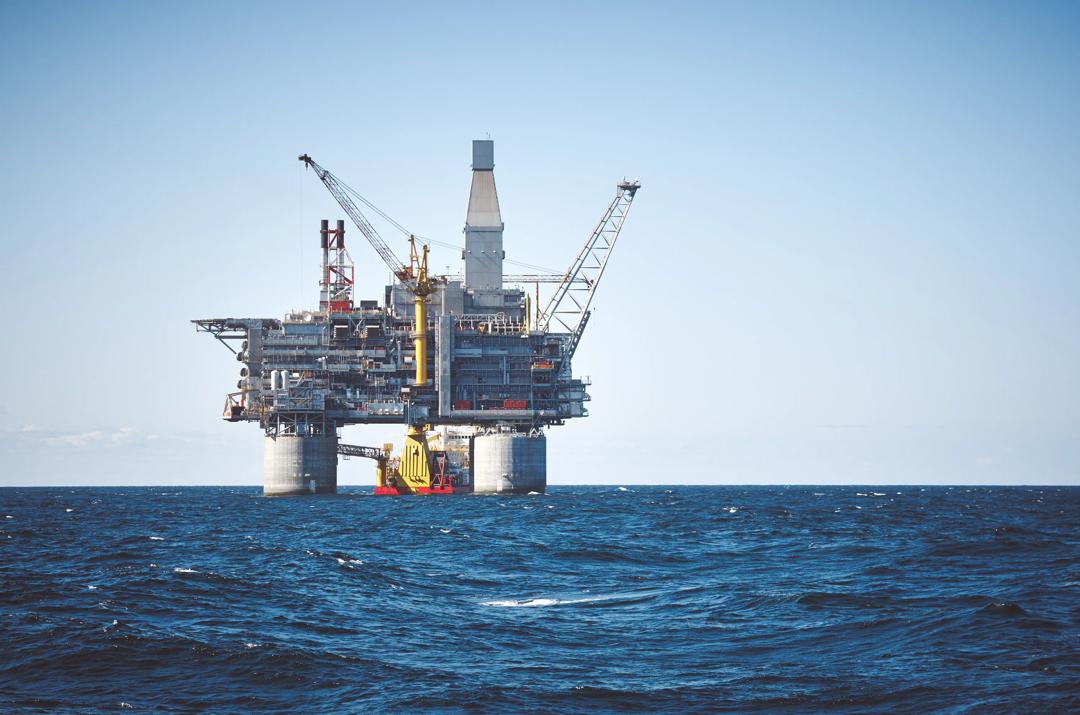
BI Business Review
Hvis Russland står bak eksplosjonene i gassrørledningene, signaliserer det en ny strategi og opptrapping av konfliktnivået med EU.
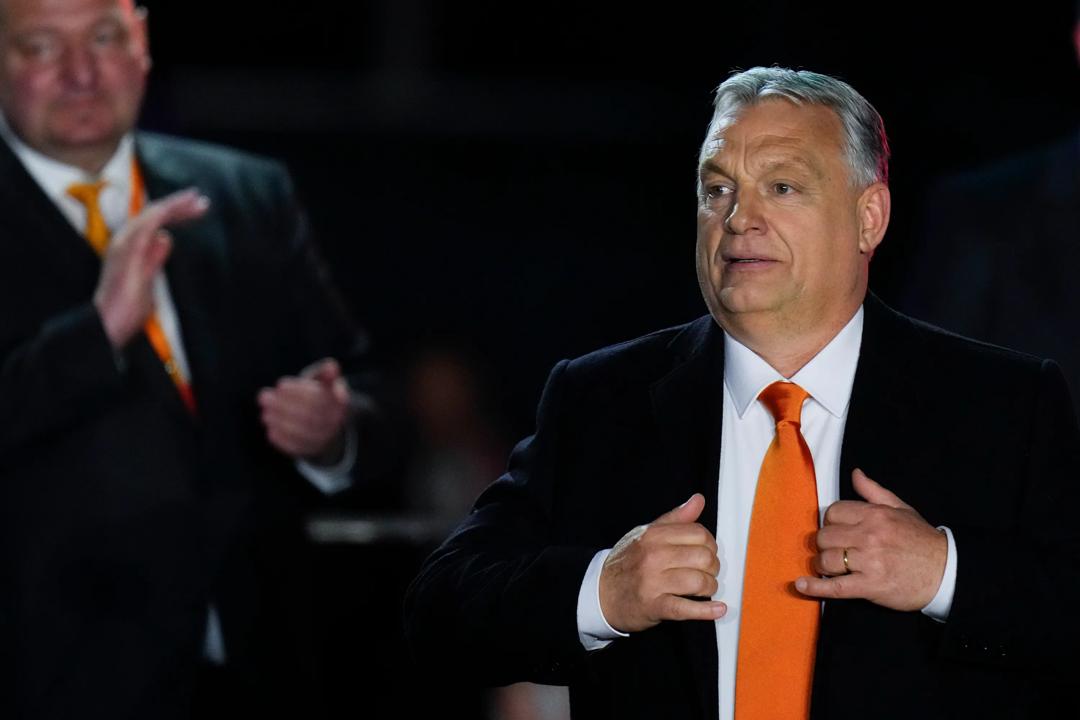
BI Business Review
Krigen i Ukraina gir det ungarske valget større geopolitisk betydning enn det ellers ville hatt.
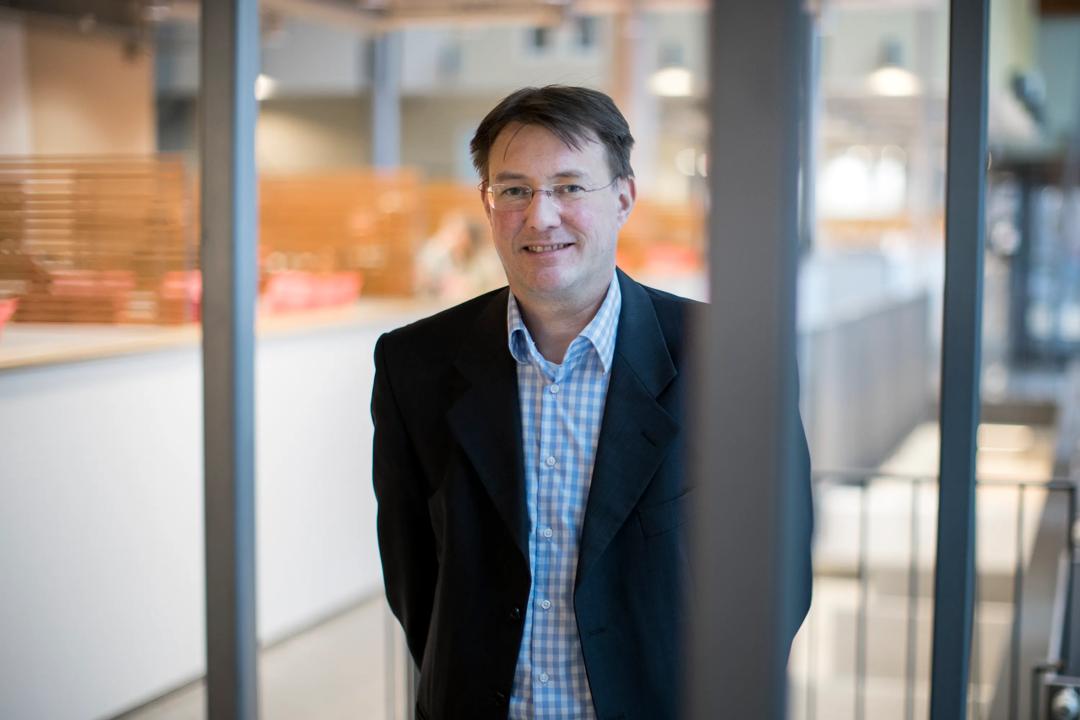
BI Business Review
På kort sikt kan EU klare seg rimelig bra uten russisk gass – lagrene holder ut april, sannsynligvis lenger. Sanksjoner mot russisk gasseksport vil gjøre Moskva økonomisk avhengig av Kina.

BI Business Review
Usikkerheten i verden øker, og trusselbildet for norsk næringsliv er høyere enn noen gang. Hva betyr dette for norske ledere?

BI Business Review
Nasjonalisme, populisme og sikkerhets-kakofoni i Europa.
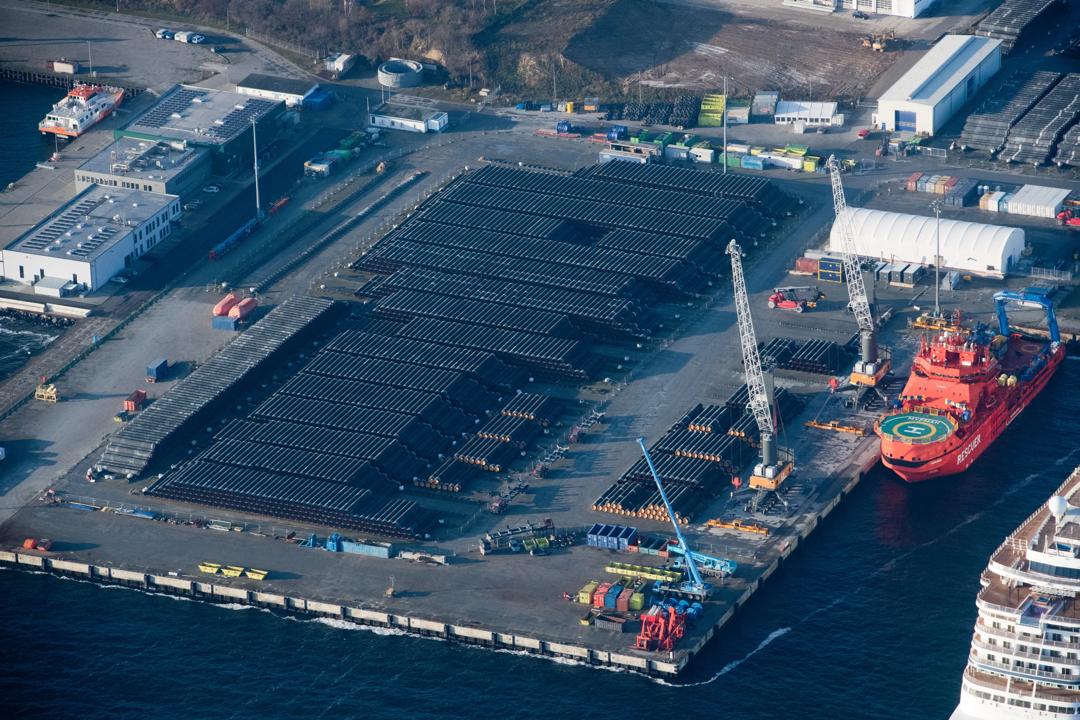
BI Business Review
Kutt i Russlands gasseksport til EU får store konsekvenser for hele kontinentet – Norge eller andre kan ikke dekke EUs behov. Dette er en sikkerhetspolitisk utfordring for EU.
BI Business Review
Hvorfor har EU inntatt en så tilsynelatende tafatt holdning til avdemokratiseringen i Polen og Ungarn?
BI Business Review
Britene kan komme til å forlate EU uten en langsiktig løsning, men med en overgangsordning. Det kan være en EØS-lignende avtale med tollunion, kalt Norge «pluss».

BI Business Review
Professor Nick Sitter har identifisert tre hovedtyper av trusler norske selskaper kan rammes av.

BI Business Review
Hvis vi vil bekjempe terror effektivt, må vi først forstå hvor den kommer fra og hva den representerer.
BI Business Review
Theresa Mays styrke på hjemmebane kan bli hennes svakhet i EU, skriver Nick Sitter om det kommende valget i Storbritannia.
BI Business Review
Handlekraft eller langsiktighet? Det er dilemmaet i kampen mot islamistisk terrorisme, skriver Nick Sitter.